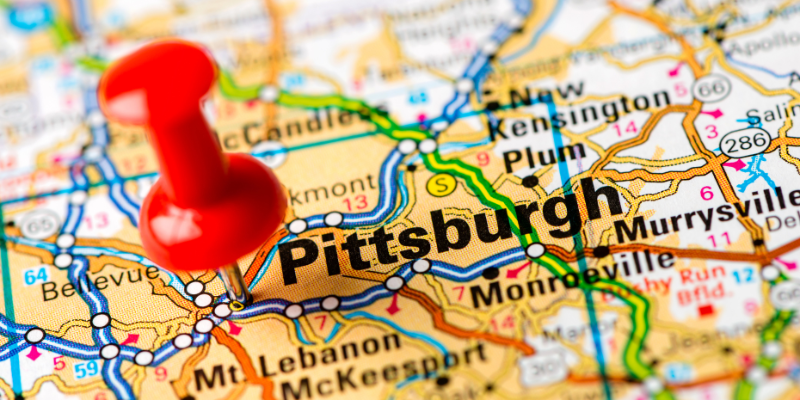
Pittsburgh, Pennsylvania, is a city characterized by distinct, varied neighborhoods, each with its own history, culture, and way of life. Knowing how to read a Pittsburgh neighborhood map is a valuable skill for potential residents, home buyers, and anyone moving to the city. Pittsburgh neighborhoods include vibrant urban areas and quiet suburban neighborhoods, making the city a great place to live at every life stage.
Brief Overview
Neighborhood maps of Pittsburgh are categorized in broad sections such as the Downtown area, North side, South hills, East end, and West end. Each section contains various neighborhoods, and each neighborhood is characterized by different types, values, and community attributes of housing. The overall map gives residents and newcomers the opportunity to gauge an area in terms of housing, commuting, available services, schools, and general quality of life.
Key Highlights
- Diverse Neighborhoods: From historic districts to modern developments, Pittsburgh offers a wide variety of living environments.
- Urban and Suburban Balance: Residents can choose between walkable city living or quieter suburban-style neighborhoods.
- Strong Transportation Access: Many neighborhoods are well-connected by buses, light rail, and major highways.
- Affordable Housing Options: Compared to many major U.S. cities, Pittsburgh offers relatively affordable home prices.
- Growing Investment Opportunities: Certain neighborhoods continue to see revitalization and increased buyer demand.
How to Use a Pittsburgh, PA, Neighborhood Map Effectively

A neighborhood map for Pittsburgh, PA, helps to determine the relationship each area has to the city’s daily needs and goals. Prospective buyers look at neighborhood boundaries, along with the routes of the commute, bridges, and public transport to pinpoint neighborhoods with access to employment, education, and essential services. Neighborhood maps of Pittsburgh, PA, also include amenities such as parks, hospitals, and shopping, allowing comparisons to determine a neighborhood’s lifestyle fit. Maps are often used by families to determine which school zones are served and by both renters and homeowners to evaluate the degree of walkability and accessibility of the area.
Sellers and real estate investors also gain from a neighborhood map in terms of market context. Sellers observe the position of their property relative to other neighborhoods in terms of demand, pricing, and buyer interest. Sellers use this information to determine a pricing and marketing strategy. Investors also use neighborhood maps to identify new places that show a lot of improvement in the areas of amenities, infrastructure, or rental demand. Investors also study neighborhood patterns, make informed spatial decisions, and select places that fit their lifestyle choices and finances.
School Districts and Education by Neighborhood
When families choose where to live, one of the most important factors is the quality of the schools in that city. That’s why the interactive edges map of the city of Pittsburgh is so helpful. It shows which neighborhoods in Pittsburgh are served by which Pittsburgh Public Schools and which ones are served by the surrounding suburban districts. Parents can use this map, along with the school rating websites and the programs and activities offered by each school, to decide which neighborhood best fits the educational and social needs of their children and to give them good educational opportunities while also considering the length of commutes to work and the safety of the community.
Besides K–12 education, Pittsburgh is also home to the University of Pittsburgh and Carnegie Mellon University, two very well-known universities in the United States. Because of the presence of these schools, certain neighborhoods are very desirable for students, faculty, and investors of rental homes. A neighborhood map with school district information and accessibility to post-secondary education helps potential residents or investors in the city understand the potential of neighborhoods and aids current residents in their decision-making processes.
Neighborhood Safety and Community Feel
The sense of safety and community feel are important factors in selecting a neighborhood in the city of Pittsburgh. Some neighborhoods are recognized for their vibrant community activism and residents’ involvement in community activities, neighborhood organizations, and volunteer activities. Community-oriented neighborhoods usually have well-maintained streets, accessible neighborhood parks, and recreational facilities for kids. Some other neighborhoods offer a quieter, more residential feel, with low traffic and larger lots. It is important to know these neighborhood contrasts in order to choose the appropriate one.
The combination of a neighborhood map of Pittsburgh, PA, community safety mapping, and crime mapping provides neighborhood users with a practical tool for systematically assessing a neighborhood. It provides the opportunity for community members, potential home residents, and neighborhood investors to compare neighborhoods on community participation and neighborhood safety. Combining the neighborhood safety map with Pittsburgh community safety mapping and crime mapping provides users with an information system that enables them to respond to their user needs and achieve their peace of mind while living in the neighborhood.
Downtown Pittsburgh Neighborhoods
The heart of Pittsburgh city is Downtown Pittsburgh, where business, leisure, and culture intersect. The Central Business District, the Cultural District, and the Strip District are all Downtown districts with their own unique categories. The pedestrian-friendly streets of Downtown are home to restaurants, cafés, theaters, and shops. Major sports facilities and other cultural sites such as art galleries and museums are accessible throughout the Downtown area and contribute to the cultural and recreational offerings year-round. This draws in young professionals and others seeking a lively urban atmosphere with desirable proximity to all offerings.
In Downtown Pittsburgh, housing mainly consists of lofts, modern condominiums, and other apartment facilities that integrate flexible housing options. The zoning plan of Downtown combines high-rise modern structures and historic low-rise ones. Downtown Pittsburgh is equipped with reliable public transit, a full set of urban amenities, and major routes that make city commuting especially quick and easy. With the many advantages that city life has to offer, Downtown Pittsburgh retains its status as the premier urban neighborhood of the metropolitan area.
North Side Neighborhoods

The North Side of Pittsburgh is known for its historic neighborhoods and its community feel. Allegheny West, Brighton Heights, and the Mexican War Streets feature many homes of historic and architectural value, including houses from the 19th and early 20th centuries. The area also features charming, tree-lined, brick streets, welcoming many new residents searching for a community with a historic feel. The North Side is also known for its active community. It features a strong sense of community due to its active neighborhood associations, local programming, and community events.
The North Side also offers cultural amenities outside its neighborhoods. Cultural and recreational venues such as theaters, sports, and restaurants are very close. The North Side accommodates residents who value entertainment and also families, cultural venues, and walks to parks. Public transit also adds to the North Side’s value by offering residents a balance of suburban and urban living with a historic feel. The North Side offers a great balance of new and old living.
East End Neighborhoods
Some of Pittsburgh’s most desirable neighborhoods are in its East End, which includes Shadyside, Squirrel Hill, Lawrenceville, and Bloomfield, all of which have their own distinct personalities. Shadyside has fancy shops and a beautiful, wooded, winding street. Lawrenceville has hip contemporary galleries and industrial spaces. The East End’s major schools, hospitals, and institutional services are why it draws in students, staff, and families. The sturdy, old buildings, together with the new construction, provide a variety of housing choices to potential buyers.
The East End is very accessible and has a wide variety of restaurants, shops, and services. People live in the East End to appreciate the exceptional schools and organized community activities, as well as the high standard of services provided in the East End’s safe, well-manned, and fully landscaped buildings. The East End has one of Pittsburgh’s most outstanding transportation networks and is very close to the Downtown region, making it a great place to live. Urban amenities can be found in a safe, suburban-like atmosphere.
South Hills Neighborhoods
The South Hills area of Pittsburgh contains neighborhoods like Mount Washington, Brookline, and Dormont. These neighborhoods offer a unique combination of nature, suburb, and city. Residents have a view of the Pittsburgh skyline and a suburban neighborhood with tree-lined streets and spacious properties. The South Hills neighborhoods also feature single-family homes with larger yards, creating a more appealing environment. This layout attracts families, retirees, and those who want suburban space and a peaceful residential area. More reasons to choose South Hills as a place to live are the community events, local parks, and recreational facilities.
The South Hills suburban feel is unbothered with quick access to Downtown Pittsburgh via the light rail, bus services, and roadway access. Combining quiet residential streets with rapid access to the suburbs is a prime environment to live in. Residents enjoy the residential environment with the perks of a city. The scenery, outdoor space, and city access are exactly what South Hills neighborhoods offer to their residents.
West End Neighborhoods
Crafton Heights and Elliott Street are among the neighborhoods in the West End of Pittsburgh, which is a gradually expanding area. It provides a balance of cost, convenience, and a variety of housing options, which attracts first-time homebuyers, young families, and anyone seeking affordable options. West End housing prices are lower than those of the neighborhoods closest to Downtown. Crafton Heights is the least expensive and is good for families due to its parks, schools, and small local businesses. Elliott is the slightly more expensive housing option of the two and offers more business options.
The West End’s affordable housing is coupled with a quick commute to Downtown Pittsburgh through its many crossings and highways. Thanks to its affordable housing and low development costs, the West End is attracting more investors and is being developed and commuted to more and more. The combination of factors offers a growing area with plenty of opportunity.
Pittsburgh Neighborhoods by Lifestyle
The different neighborhoods of Pittsburgh attract different groups of people. For example, young professionals are attracted to Downtown, Lawrenceville, and Shadyside because they have great nightlife and restaurants. The people in these neighborhoods have access to work and fun activities. On the other hand, families are attracted to Squirrel Hill, Brookline, and Brighton Heights. These neighborhoods have great schools and community-centered streets. These families get to have access to the family-friendly activities while also getting to visit the rest of the city.
Students and academic professionals usually live in Oakland and Bloomfield. Students like living in these neighborhoods because they are close to the campus and the library. Others might like living in hillside neighborhoods like Mount Washington and the South Side Slopes that have a quiet vibe and nice views. By checking out a map of the neighborhoods, people can find the best options for themselves and their families.
Pittsburgh Neighborhood Map for Real Estate Investors
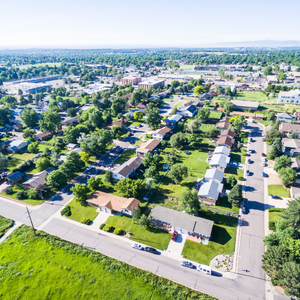
A neighborhood map of Pittsburgh is helpful for real estate investors who want to find positive investment growth in neighborhoods. By analyzing neighborhood borders, the investor can find neighborhoods that are becoming new areas due to revitalization, new infrastructure, growing buyer interest, etc. These are all good indicators of neighborhoods that will become long-term investment opportunities as values increase. This map shows the patterns of housing, the prices and trends of multiple areas, and the overall development of the area, and it provides investors with the confidence to develop investment strategies.
Additionally, a neighborhood map indicates the demand for rentals and types of tenants in the neighborhood. Investors can find the best rental opportunities in the housing real estate areas. When combined with other research, such as plans for the area and business, investors can enhance their investment strategies and minimize their risks. A strategically used neighborhood map of Pittsburgh will drive efficient and strategic investments in real estate.
Being familiar with the maps of different neighborhoods in Pittsburgh, PA, will help you define areas where you might want to live, buy, or sell property. Discover Unique Pittsburgh Trivia as you explore the city’s blend of old and new communities, and you’re likely to find a neighborhood that suits your lifestyle and budget. Moving around and experiencing different areas will help you make the right choice when finding your ideal home.
Looking to sell your home in Pittsburgh? Whether you want to sell your Pittsburgh house faster or work with a trusted cash-for-houses company in Pennsylvania, Nura Home Buyers is here to help. We provide fair cash offers, handle all the details, and make the home-selling process fast and hassle-free. Avoid costly repairs and enjoy a seamless experience from start to finish. Ready to get started or have questions? Contact us at (610) 550-8365 today for a no-obligation offer and take the first step toward a quick sale in Pittsburgh.
Frequently Asked Questions
How many neighborhoods are in Pittsburgh, PA?
Pittsburgh has over 90 neighborhoods to choose from, each with its own unique housing and community structures.
What are the most desirable neighborhoods to live in in Pittsburgh?
The most desirable neighborhoods are Shadyside & Squirrel Hill. They are both located in the East End and have top-rated amenities, and the schools are very walkable.
Are Pittsburgh neighborhoods affordable compared to other cities?
New housing developments have been built in several neighborhoods, offering more affordable homes compared to other large US cities. However, some neighborhoods have higher prices.
Which Pittsburgh neighborhoods are considered best for families?
Squirrel Hill, parts of the North Side, and Brookline have a community feel, numerous parks, and are home to great schools.
How can a Pittsburgh neighborhood map help homebuyers?
A neighborhood map benefits the homebuyer by enabling them to assess areas based on their amenities, pricing, and time to commute.
Helpful Pittsburgh Blog Articles
- Best Things to Do in Pittsburgh, PA, With Kids
- Is Pittsburgh, PA, a Good Place to Live?
- Pittsburgh, PA, Neighborhood Map
- Best and Worst Neighborhoods in Pittsburgh, PA
- Pittsburgh, PA Property Tax Rate
- Discover Unique Pittsburgh, PA Trivia
- Pittsburgh, PA Capital Gains Tax Calculator
- Pittsburgh, PA Closing Costs Calculator
- Best Pittsburgh, PA, Property Managers
- Pittsburgh, PA, Cost of Living
- Free Things to Do in Pittsburgh, PA