
For homeowners and prospective buyers looking to invest in Pittsburgh, PA, understanding the intricacies of property tax rates in relation to financial planning, property buying, and selling is critical. This guide by Nura Home Buyers breaks down the calculations of such property tax rates and the factors that affect them, as well as how they compare to neighboring regions. By highlighting the impacts of property tax rates on investments, this guide will provide Pittsburgh residents and property investors with the confidence to navigate the rates, as well as understand how to influence and manage property tax obligations in Pittsburgh.
Understanding Property Taxes in Pittsburgh
Understanding Pittsburgh’s property taxes is crucial for residents who understand the services and infrastructure impact taxes have. For real estate owners, knowing the foundations and principles of Pittsburgh property taxes is key to controlling and possibly lowering their tax liabilities. In this guide, we will analyze the basics of property tax and the methodology Pittsburgh employs to compute the effective property tax rate. This will allow real estate owners to manage their expectations and develop proper tax strategies.
Basics of Property Tax in Pittsburgh
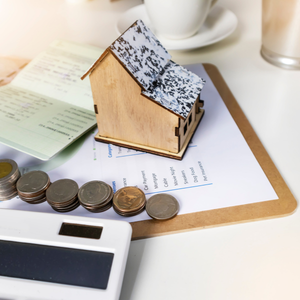
Understanding how property taxes work in Pittsburgh is important for property owners. Taxes of the city are used for important services like schools and transportation. One important tax rate is called the property tax rate or ‘mill rate,’ and it is important for owners to understand how it works. This rate determines how much money has to be paid in taxes for every $1000 in assessed value of the house. It is important for owners in Pittsburgh to understand how assessed values and taxes work when managing their finances. Taxes are based on value, and the value is reassessed by the city periodically, which means taxes could change because of the real estate market. This means taxes could be higher or lower, depending on how the city adjusts tax values or market prices.
In Pittsburgh, how the school district functions affects how property taxes are calculated, since a large portion of taxes collected is allocated to funding schools. This emphasizes the need for fair assessments to ensure the taxes that fund Pittsburgh schools are fair to property owners. In addition, Pittsburgh sometimes offers tax-exempt status or tax relief to some property owners, such as the elderly or low-income people. By being aware of these options, property owners in Pittsburgh can reduce taxes and maximize their financial benefits. Knowing the basic principles of the property tax rate and how the taxes are spent helps property owners in Pittsburgh to fulfill their roles and responsibilities better.
How Pittsburgh Property Tax Rates Are Determined
Feedback on Pittsburgh tax rates must address several factors and computations. Primarily, revenue estimates based on property assessments, along with a tax rate calculation, provide a true estimate of a property owner’s tax obligation using the effective tax rate. Consequently, revenue estimates from a city council/school district, along with their financial concerns, need a prop firm assessment. This means a new revenue estimate for a financial council/school district budget ought to include a consideration of tax exemptions and changes to assessment ratios. Property assessments can be done annually or biannually, and in Pittsburgh, they involve trained appraisers and specific factors, such as the property’s location, condition, and comparable sales.
The city’s mill rate reflects its budget commitments, ranging from road construction to public safety. Changes to the law, as well as new state and local mandates, can impact these rates, resulting in funding increases or decreases. Additionally, there is not just a need to balance financial commitments; there is a need to balance commitment to the changing dynamics of the tax system. For property owners, understanding the tax rate of Pittsburgh and the reason for the tax is of the utmost necessity. Efficient management of the tax system depends on these factors, enabling owners to foresee and adjust their property taxes. The intricate relationship between municipal requirements and economic conditions gives Pittsburgh its distinctive tax rates.
Allegheny County: Impact on Property Taxes
As a result of the assessment and collection of Pittsburgh region property taxes, Allegheny County determines the various real estate tax rates and how tax assessments are distributed. It is crucial for property owners to understand the County’s tax system, as it is quite complex. This analysis of Allegheny County and its impact on tax assessment is essential for property owners to understand how to manage their tax liabilities, especially as they relate to property taxes across the various districts.
The Role of Allegheny County in Tax Assessments
The county is critical in enacting tax and assessment policies that directly affect property taxes for Pittsburgh residents. Each county tax assessment establishes a base value for a property that is taxable. The county attempts to assess property value in a balanced manner through assessment value methodologies at property comparisons and improvements. An assessment is a legal determination of a person’s contribution to the tax dollars that provide local services and local infrastructure.
The board of county council members oversees this process to ensure transparency and accountability. Pittsburgh property owners should understand how Allegheny County’s tax assessments affect their property taxes. Knowing your property’s taxable value will prepare you for changes in property taxes that may occur. You may also qualify for tax assessments, which will relieve your tax burden. It is important to be informed about the assessments and to advocate for an equitable assessment. Understanding tax policy is important to help streamline the property tax process within the tax system.
Allegheny County’s Influence on Real Estate Tax Rates
Property tax rates within the city of Pittsburgh are directly influenced by policies set by Allegheny County. With respect to the impact of property tax within its borders, each real estate district becomes subject to the policies of the County. Based on County policies, tax rates are established in line with the assessed value of the property and in conjunction with the County/School District’s financial needs. This involves ascertaining revenue needs for sufficient road services and other fiscal responsibilities.
County policymakers implement tax rate changes based on the revenue needs and prevailing economic conditions, including investment stimulus, urbanization, and changes within the real estate sector. In addition, the County provides tax waivers for the elderly, veterans, and people from selected income brackets to lessen the financial impact of the tax. People who own property within Allegheny County learn to live with the repercussions of the property tax policies since they have to learn to prepare themselves for tax hikes and discover available ways to have tax relief. To ensure that they find alternative ways to live with the new tax, they have to follow the County Council’s activities on the property tax to determine available options. Property owners must pay attention to the tax policies set by the County Council, how property tax rates change, and determine how to relieve themselves of the property tax policies to ensure that the County/school fiscal responsibilities are fulfilled.
| Role in Assessments | Valuation Factors | Revenue Impact | Policy Influence | Exemptions & Incentives |
|---|---|---|---|---|
| Conducts property assessments | Market trends | Funds local infrastructure | Regulates tax policies | Senior citizen reductions |
| Sets assessed values | Property condition | Supports public services | Adjusts tax rates | Energy-efficient upgrades |
| Regular assessments | Location and amenities | Impacts education funding | Strategic planning initiatives | Historic preservation grants |
This table provides a concise overview of how Allegheny County shapes property tax dynamics, influencing financial planning for property owners across Pittsburgh.
Assessing Property Values and Their Impact
Property value assessments in Pittsburgh are important for both homeowners and real estate investors, as they determine tax liabilities. Since the amount of tax owed is influenced by the assessed value, it is important to understand this process. This section focuses on insights from the calculation of assessed values to the impact on tax obligations across the different districts of the city. By examining assessed values in depth, we hope to empower property owners to understand and navigate the complexities of real estate and tax systems in Pittsburgh.
How Assessed Value Affects Property Tax Obligations
In Pittsburgh, property tax responsibilities are largely dependent on property assessed value. This value represents the local government’s evaluation, which is then used as a basis to tax the property. This means one of the cornerstones of the property assessment process, which then goes on to implement tax computations from the county tax rate. To effectively navigate property taxes, one needs to understand assessed value. The assessed value will result in changes to tax responsibilities, which may occur due to property enhancements, market changes, or county reassessments. The market value assessment is done to ensure equity in tax responsibilities among property owners.
In Pittsburgh, tax rate evaluations based on assessed value involve several layers of government, including local school district funding and county development and infrastructure initiatives. The school district plays a role in assessments to fund education, and this shows how under- or over-assessing properties can affect funding for essential community services. For property owners, knowing how the assessed value is determined is essential to avoid paying excessive taxes. Understanding assessment, evaluation, and related processes is helpful for financial planning, including appeals of erroneous assessments and claims for tax exemptions. Pittsburgh property owners and investors assessing their financial and fiscal positions, strategic planning and budgeting, and sustaining financial solvency must understand the implications of their assessed value on their fiscal obligations.
Calculating Your Assessed Value in Pittsburgh
Evaluating your property tax responsibilities in Pittsburgh is closely linked to understanding your property’s assessed value. This is influenced by property tax guidelines and the state of Pittsburgh’s real estate market. County assessors use comparative market analysis to determine assessed value, which is defined as a fraction of the market value of a property. Important determinants of the assessed value include the property’s location, size, and condition, and recent comparable sales in the district. Many people use property tax calculators to find estimates based on recent Allegheny County data, sales, and property improvements. These calculators help property owners and prospective investors in the Pittsburgh real estate market understand their tax exposure.
Moreover, being informed about the assessed value extends beyond tax estimates. Knowing your options to contest negative values can save you money. An appeal of property taxes has costs, due to the county’s overestimation of the independent sales record appraisal. Participating in this activity ensures that your taxes are based on the market value. Knowing the property assessment and tax system in Pittsburgh, Pennsylvania, individuals have the ability to defend their finances and fairly participate in the tax system. For people in this situation, understanding Pittsburgh property taxes and the calculators is essential for managing tax obligations and planning future taxes.
Tips for Managing Taxes in Pittsburgh
In Pittsburgh, developing ways to manage property taxes starts with helping homeowners and investors mitigate tax compliance burdens. Property investors in Pittsburgh can manage some of their tax obligations. This guide explains tax relief programs and ways to manage your tax burden. It includes Pennsylvania property taxes, Pittsburgh tax planning, and property tax strategies.
Strategies to Lower Your Property Taxes
In Pittsburgh, a property tax cut can be achieved by implementing strategic savings opportunities. One example involves checking your property’s valuation every tax year. A property owner can contact the tax assessor to see how their property tax compares with current tax valuations to see if they are overpaying. If your property’s assessed value is higher than its market value, you can appeal to the county assessor to lower the assessment and reduce your property taxes. Another tax strategy is the tax exemptions available for owner-occupied properties. The city of Pittsburgh offers owner-occupied, senior, and veteran exemptions. Pittsburgh’s exemption, specifically, partially relieves the tax burden for lower-income, senior, and veteran taxpayers. Knowing about tax exemptions and applying for them can have a significant tax impact.
Your ability to appeal your property taxes is very powerful. If your assessed value is not accurate compared to your market value, you may be able to obtain a reassessment with market evidence, new purchase prices, and/or independent appraisals. This can result in a reduction in value. This process is lengthy and requires you to know your property’s financial and market conditions to build the most compelling case. Also, you must know the market in your neighborhood. Changes in property value due to construction, and therefore a new market, can change the assessed value. For homeowners looking to sell, cash home buyers in Washington or in nearby cities can provide a fast and convenient option. A well-informed property owner knows when to appeal, apply for exemptions, and take strategic steps to manage their tax burden and improve financial efficiency.
Understanding Tax Relief Programs and Their Benefits
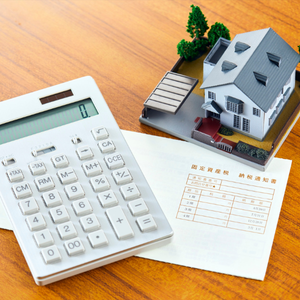
Pittsburgh property owners can benefit from tax relief programs offered by the city and the county, and by understanding these programs, they can alleviate their financial burden. Some examples of tax relief programs include: Homestead Exemption, Senior Citizen Property Tax Relief, and tax relief programs for veterans with disabilities. Under the Homestead Exemption program, homeowners can reduce the taxable value of their primary residence, thus reducing their property tax obligation. Senior citizens may qualify for tax reductions or tax credits, and veterans with disabilities may qualify for partial or total exemption(s) from tax obligations.
Such programs help homeowners maintain financial stability and manage property taxes. Educating oneself about and utilizing available tax relief options can help lower tax obligations while supporting schools and community services.
- Investigate tax relief options applicable to your situation.
- Take advice from a tax professional regarding your situation.
- Compile the necessary documentation, including income statements and receipts.
- Applying early can mitigate the risk of problems, so submit any applications as early as possible.
- Stay current on tax relief changes and the impact on your eligibility.
- Maintain a record of any correspondence with tax officials.
- Check your application status to expedite the processing.
- Integrate tax relief strategies with long-term financial planning.
By taking these steps, you can navigate tax relief programs more effectively and maximize your potential benefits.
As a possible owner or manager of a property in Pittsburgh, knowing the property tax framework can assist you in making wise decisions. Assessed values can change, and with such a wide range of tax rates throughout the neighborhoods, as well as the possible deductions and exemptions, taxes are a moving target. For financial planning, it is important to put in the effort to review the assessed valuation of your property and compare the tax rates. For those looking to sell, cash home buyers in Pittsburgh or in nearby cities can provide a fast and convenient option. Once you gain this understanding and implement it in your guiding principles, it will help you manage your property effectively and be advantageous in the long run.
FAQs
What are property taxes in Pittsburgh primarily used for?
Community services such as education, transport, and public safety in Pittsburgh are funded in part by property taxes. They are also used to support local infrastructure and community development.
How is the property tax rate determined in Pittsburgh?
In Pittsburgh, how much council tax people have to pay depends on how much local government, like the city council and school districts, needs to collect and on how much the properties are assessed. It has to do with the effective tax rate, which is how much people pay in taxes after tax deductions and other adjustments.
What is the assessed value of property, and how does it influence taxes?
An assessed value reflects the local government’s estimation of the worth of a specific property, which is used to determine property tax obligations. Assessed values, which reflect market value, are critical for determining tax liabilities.
What strategies can be used to lower property taxes in Pittsburgh?
Strategies incorporate maintaining current valuations and reviewing/re-evaluating and appealing assessments, applying for exemptions, and keeping up to date with neighborhood and market trends that impact assessments.
What tax relief programs are available for Pittsburgh property owners?
Programs aimed at reducing tax burdens for qualifying individuals include the Homestead Exemption for primary residences, Senior Citizen Property Tax Relief, and the veteran programs for the disabled in Pittsburgh.
If you’re considering selling your home, understanding the property tax rate in your area can make a big difference in your planning. Whether you need to sell quickly, avoid costly repairs, or prefer a hassle-free process, Nura Home Buyers is here to help. We provide fair cash offers, handle all the details, and make the process seamless. Ready to sell or have questions? Contact us at (610) 550-8365 for a no-obligation offer and get started today!
Helpful Pittsburgh Blog Articles
- Best Things to Do in Pittsburgh, PA, With Kids
- Is Pittsburgh, PA, a Good Place to Live?
- Pittsburgh, PA, Neighborhood Map
- Best and Worst Neighborhoods in Pittsburgh, PA
- Pittsburgh, PA Property Tax Rate
- Discover Unique Pittsburgh, PA Trivia
- Pittsburgh, PA Capital Gains Tax Calculator
- Pittsburgh, PA Closing Costs Calculator
- Best Pittsburgh, PA, Property Managers
- Pittsburgh, PA, Cost of Living
- Free Things to Do in Pittsburgh, PA