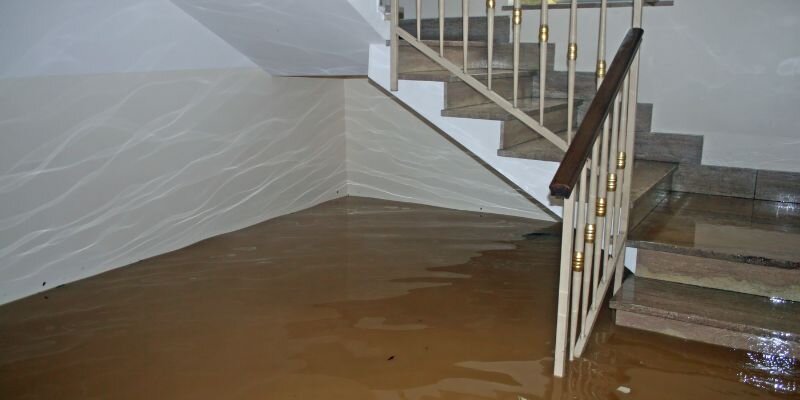
Water shows up where it wants across Delaware. A pipe behind the laundry room wall in Newark. Groundwater seeping through a basement in Elsmere. A roof leak in Middletown that went unnoticed through two winters. By the time most homeowners realize the extent of what they’re dealing with, the damage has already spread to places they can’t see.
The expectation is that you fix it, list it, and recover your money on the other side. A realtor quotes a solid after-repair value, you picture pocketing the difference, and the path feels manageable. What breaks that down fast is the actual scope of water damage restoration. Average water damage restoration runs about $3,868, but severe cases can push past $16,000 before you’ve touched a single cosmetic repair. Mold remediation, subfloor replacement, drywall tear-out, and structural drying are separate line items, which means the invoice grows well beyond that first estimate. Money comes out of your pocket up front, months before any buyer puts in an offer. The Brooks family learned the process the hard way. They reached out to Nura Home Buyers while splitting assets in a divorce, trying to sell their Brookside townhouse quickly and cleanly. The basement had taken on water twice, and visible mold was growing up one wall of the utility room. They didn’t have the capacity or the budget to remediate and relist. Nura Home Buyers closed in eleven days, they each got their share, and they moved on without a single contractor walking through (mold disclosure alone can derail a traditional sale).
What Selling a Water-Damaged Home in Delaware Actually Looks Like
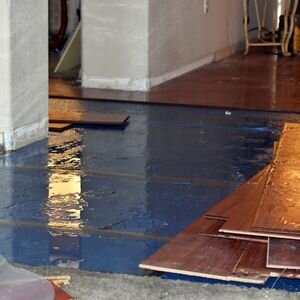
The listing agent path is often framed as the high-value route. Get it repaired, stage it, list it on the MLS, and find a buyer who will pay top dollar. That’s the idea. Where it breaks down is the chain of dependencies: repairs take weeks, permits take longer, and a buyer’s lender may reject the property anyway if the inspector flags unresolved moisture issues.
Lenders, particularly those backing FHA or VA loans, sometimes require that you fully resolve water-related problems before they will approve a mortgage. Finding a willing buyer still leaves you vulnerable to financing collapse at the underwriting stage because of something the inspector flagged in your crawl space. You’re then back to square one, except now you’ve already spent money on repairs. This pattern surprises sellers more than almost anything else in the process.
Water damage can reduce a property’s value by 5% to 20%, depending on its severity and extent. On a home priced near Delaware’s current median, that’s a real number. And that discount still applies to a repaired home if the buyer’s inspector or appraiser sees any history of moisture intrusion. Disclosure requirements in Delaware mean the damage goes on record regardless.
Think about what that actually means for your timeline. The median number of days on market for move-in-ready homes in Delaware is currently around 49 days. A water-damaged property sitting on the MLS can take considerably longer, especially if two or three buyers walk away after inspections. Every extra month means more mortgage payments, taxes, insurance, and utilities, which can cost more than most sellers expect.
Sell a House with Water Damage in Delaware Fast for Cash, No Repairs, No Cleaning
For years, conventional wisdom held that the right answer for a damaged property was to repair what you could afford and price accordingly. This thinking is wrong for a specific type of seller: the one who doesn’t have months and doesn’t have the cash reserves to front a restoration project.
Selling for cash, as-is, removes the entire repair-and-relist chain. A cash buyer, like Nura Home Buyers, buys the property in its current state, with no open houses, no inspection contingencies attached to financing, and no realtor commissions eating into your proceeds. The seller gets a guaranteed, contractually binding offer based on what the house is worth today, not what it might be worth after a renovation you’d have to fund yourself (and manage from start to finish).
Are you sitting on a flooded property and genuinely unsure whether repairs are even worth pursuing? This is the exact moment to get a cash offer on the table. Not because selling for cash is always the right move, but because knowing the number gives you a real baseline to compare against the repair-and-list math (and that comparison does most of the deciding). If the numbers show repairs don’t make financial sense, choosing to sell your house fast for cash in Delaware can help you avoid additional restoration costs and lengthy delays.
The other thing cash sales cut out: roughly 22.6% of all home insurance claims over a recent five-year stretch were tied to water damage or freezing, a figure insurance companies are paying close attention to. If your claim history is already stacked, relisting through traditional channels can actually make buyers nervous even after the physical repairs are done (and sellers often underestimate how long that stigma lingers).
Why Water Damage in Your Delaware Home Should Not Wait
Mold isn’t concerned about your closing timeline. Once moisture gets into drywall, insulation, or subfloor materials, the biology takes over fast, and the longer it sits, the more expensive any future remediation becomes. A flooded basement left unaddressed for thirty days is an entirely different problem than one caught in the first week (the cost difference between the two is significant).
Delaware’s proximity to the Chesapeake and Delaware Canal, the Christina River basin near Wilmington, and the Atlantic coastal plain in Sussex County means many properties have significant flood exposure. A quarter of all flood losses happen outside designated FEMA flood zones, so the idea that only certain neighborhoods carry risk is a comfortable fiction. Homes in Brandywine Hundred, Bear, and New Castle can take on water from storms, sump pump failures, and aging infrastructure just as readily as any lot in a marked floodplain (dry-looking lots have surprised sellers at closing before).
Letting damage linger also creates a disclosure problem. Delaware requires sellers to complete a Seller’s Disclosure of Real Property Condition Report. Active or unresolved water intrusion has to be listed. Hiding it isn’t an option because it creates liability that follows you long after closing. Getting the property sold quickly, in its current condition, is often the cleaner legal path.
What Does It Mean to Sell a House As-Is in Delaware?
Delaware sellers are not required to make any repairs before a sale. What most articles leave out is that an as-is sale and a traditional MLS listing are not the same, even if the seller technically “won’t make repairs” in both cases.
On the open market, an as-is listing still goes through a standard buyer inspection. The buyer then uses that inspection report to negotiate price reductions or walk away entirely. The seller may hold firm, but the sale often falls apart because a buyer’s lender won’t finance a property with unresolved structural or moisture issues. An as-is listing on the MLS for a water-damaged home in Wilmington is not a smooth path. Many homeowners instead work with cash home buyers in Middletown to avoid financing issues, repeated negotiations, and repair requests that commonly derail traditional transactions.
Selling directly to a cash buyer is a genuinely different transaction. The buyer already knows the property’s condition before making the offer. There’s no inspection contingency, no financing contingency, and no renegotiation after the fact. The agreement is clean, so you’re not sitting by the phone waiting to hear what the inspector flagged. You get a firm number, a closing date, and the deed transfer. This is the actual, as-is sale that most sellers picture when they hear the phrase.
Delaware does not impose a state income tax on the sale of a primary residence for most sellers, but transfer taxes do apply. Buyers and sellers typically split the state’s realty transfer tax, so you won’t carry that cost alone. A cash buyer familiar with Delaware transactions will walk you through exactly what that looks like at closing, so there are no surprises.
Pros and Cons of Selling a Water-Damaged House As-Is in Delaware
Sellers who skip this analysis and make a gut call end up either overspending on repairs they won’t recoup or underpricing a cash sale they didn’t fully evaluate. Either mistake costs real money.
Speed, certainty, and zero out-of-pocket repair costs are the real case for the as-is cash route. You skip agent commissions, skip the carrying costs of a prolonged listing, and get a guaranteed closing date you can plan around. For sellers dealing with divorce, inherited property, relocation, or mounting debt, that certainty is worth more than a slightly higher sale price that might never materialize.
The real trade-off is the offer itself. A cash buyer includes the cost of repairs, their risk, and their required return in the price. The offer will be below what the property might fetch on the open market, fully repaired. If you have the time, the cash, and the contractor relationships to handle a full restoration, a traditional sale through a listing broker might net you more. The word “might” carries a lot of weight, though. Appraisers who see a history of flooding tend to price conservatively, so the clean bill of health you paid for doesn’t always move the needle the way you’d expect. Buyers who discover prior damage disclosures sometimes walk, even after a pristine remediation.
A common pattern: sellers who try the MLS route first spend two or three months watching sales fall through post-inspection, then come back to the cash option. They get about the same offer they would have at the start, minus those months’ carrying costs.
When Is the Best Time to Sell a Water-Damaged Home in Delaware for the Most Money?
New Castle County homes are sitting on the market a median of just 34 days, compared to the national median of 53 days, which tells you demand in Northern Delaware is still running high. The buyer pool matters if you’re considering a traditional sale with repairs done.
Spring and early summer bring the most active buyers in Delaware, from Hockessin down through the Christiana area and out to the communities around Dover. More buyers competing for available inventory means more eyes on your listing, which, in theory, helps even a distressed property attract attention. The flip side: buyers are also more likely to have financing pre-arranged through a lender, and those lenders are the ones who can kill the sale on water-damaged properties (this happens at closing more often than sellers expect).
For a cash sale, timing is much less of a worry. A cash buyer can close in two weeks, whether it’s in February in Claymont or in October near Rehoboth. Flexibility like this has real value when your situation has a firm deadline.
If your property has active water intrusion, the worst thing you can do is list in spring, pull in a dozen showings, and then have every sale collapse because the moisture meter is still reading high in the basement. Sell the problem to someone equipped to handle it, not to a family who discovers it after going under contract.
How Do I Sell My Delaware House Fast for Cash?
The process is simpler than most sellers expect, and the first step is just getting a number. If you’re wondering how our process works, the next steps are straightforward and designed to keep the sale simple from start to finish.
A cash buyer will ask for basic information about the property: location, square footage, the nature and extent of the water damage, and whether there are any liens, open permits, or title issues. No photos required up front. No cleaning, no staging. They’re pricing the property on its actual condition, not how it photographs.
From there, the buyer conducts a walkthrough, either in person or virtually, depending on the situation. Within a day or two, you get a written cash offer, sparing you the wait for financing approvals or bank timelines. You read it, ask questions, and decide. If you accept, the purchase agreement gets signed, and a closing attorney or title company handles the rest. In Delaware, closings typically go through a title company or a real estate attorney, and the paperwork is straightforward.
Most cash transactions wrap up from offer acceptance to a closed sale in 7 to 21 days. Compare that to the 49-day median days on market for traditional listings, and add another 30 days to close after going under contract. The time savings are real for anyone facing a deadline.
What Happens When You Request a Cash Offer in Delaware?
The skeptical question most sellers have: Is the offer going to be a lowball that insults them?
Fair question, and the honest answer is that the offer will be below full retail value. This is not dishonesty; that’s arithmetic. A cash buyer is taking on a property with real problems, funding repairs out of pocket, and assuming the risk that costs will exceed expectations. What a reputable buyer won’t do is manufacture urgency, pressure you into signing before you’ve thought it through, or change the number at the last minute.
Here’s what the process looks like with a legitimate buyer. You reach out, share basic details, and schedule a call or visit. After the walkthrough, the buyer runs their numbers and presents a written offer. That offer spells out the purchase price, the closing timeline, and any contingencies (there usually aren’t many with a true cash buyer). You have time to review it, show it to an attorney if you like, and ask every question you need answered.
The legally binding purchase agreement protects both sides, ensuring you know what you’re getting and when, and the buyer knows exactly what they’re buying. No surprises. Delaware title companies handle the closing with clean title guarantees, and you walk away with funds wired the same day the deed is recorded.

Where in Delaware Do We Buy Houses for Cash?
Does it matter which county you’re in? Every county in Delaware has water-damaged homes that need a different kind of buyer. That’s just the reality.
Nura Home Buyers buys properties across New Castle County, including Wilmington, Newark, Bear, Middletown, Smyrna, and the communities along the Route 40 corridor. In Kent County, that includes Dover, Harrington, Milford, and the towns between them. Sussex County coverage runs from Seaford and Bridgeville up through Georgetown and out to the coastal communities near Lewes and Rehoboth Beach.
Water damage in any of those areas, whether it’s a flooded basement in Claymont, a storm-compromised property near the Port Penn marshlands, or a home with long-standing roof leaks in the Cool Spring neighborhood of Wilmington, gets evaluated and offered. The property doesn’t need to be habitable. It doesn’t need to pass any standard that the open market would impose.
Frequently Asked Questions
How Much Can Water Damage Devalue a House?
Water damage can reduce a property’s value by 5% to 20%, depending on the severity and scope of the problem. Minor issues caught early and fully remediated tend to land at the lower end of that range. Ongoing, unresolved damage or any active moisture noted in an inspection report has a greater impact. On a home priced around Delaware’s current median, that gap represents tens of thousands of dollars.
Do Realtors Have to Disclose Water Damage in Delaware?
Yes, and so does the seller. Delaware law requires sellers to complete a property disclosure statement covering known material defects, including a history of water intrusion. A listing broker who knowingly helps a seller conceal documented water damage creates serious legal exposure for all parties to the transaction. Disclosing the damage upfront, even when it’s uncomfortable, protects you after closing.
How Long Are You Liable After Selling a House in Delaware?
Delaware’s statute of limitations for fraud claims related to property disclosure is generally 2 to 3 years from the date of closing. However, timelines can vary depending on when the buyer discovers the defect. Selling the property as-is with full disclosure is the clearest way to limit that exposure. A cash sale where the buyer inspects the property in its known damaged condition further reduces post-closing risk.
Is It a Bad Idea to Buy a House with Water Damage?
For a typical homeowner buying through a lender, yes, active or unresolved water damage creates real risk. Financing often won’t go through, and mold or structural issues found after closing become the buyer’s problem. For experienced investors and cash buyers who know what they’re getting into and can accurately price the repairs, it’s a standard transaction. That’s precisely why cash buyers are often the right fit for these properties.
If you want to talk through your options, we’re here. Reach out to Nura Home Buyers whenever you’re ready. No pressure, no obligation, just a straight conversation about your property and what makes sense for your situation. If you still have questions about selling a water-damaged house or the cash sale process, check out other frequent questions for additional answers before reaching out.
Helpful Delaware Blog Articles