
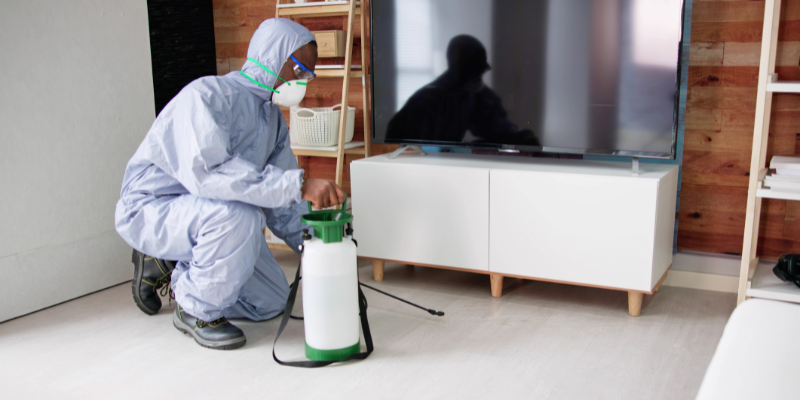
A termite colony can eat its way along a sill plate for years before anyone notices the soft spot under the kitchen linoleum. By the time someone calls me asking how to sell a house with termites in Pennsylvania, there’s usually an inspection report on the table. There’s often a buyer backing out of the agreement of sale, too.
I’ve bought houses with chewed joists and basement walls striped with mud tubes. Every one of them sold. Some went for less than the owner hoped. A few brought more than the seller expected, because the damage read worse on an inspector’s checklist than it looked once we pulled the paneling off. What follows is the conversation I’d have with you at your kitchen table.
What Is a Termite-Damaged House in Pennsylvania?
Penn State Extension’s guide to eastern subterranean termites says problems usually show up 10 years or more after a house is built. The same guide makes a point I repeat constantly. Damage you can see is the result of years of quiet feeding, and it won’t bring a building down in a few days.
A property counts as termite-damaged once wood-destroying insects have chewed into a window sill, a basement joist, or a load-bearing beam. That label hides three very different situations, and sellers who lump them together pay for it.
There’s active infestation, where live insects are still feeding. You might instead have old damage from a colony that was treated and killed years ago. And sometimes the house is structurally fine, and the only thing left is termite history, a line item on a disclosure form.
Those carry wildly different price tags, and buyers rarely sort them out on their own.
Pennsylvania’s older housing stock sets the table. Think of Philadelphia row homes with wood sills sitting near grade, or Lancaster County farmhouses with dirt-floor cellars. Post-war capes across Delaware County often have finished basements hiding the band joist. Each one gives subterranean termites the soil-to-wood contact they need. Penn State notes that most infestations in this state start in basement and cellar areas, plus the structural timbers right above the cellar walls.
If you’d rather sell the property as-is, contact us for a cash offer. We’ll review the termite damage and give you a straightforward offer without requiring you to make repairs first.
What Are the Signs of Termite Damage in a Pennsylvania House?
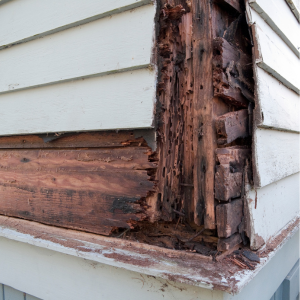
Years ago, I treated mud tubes on a block wall as proof a house was structurally finished. I had it backwards. Tubes tell you insects traveled. They don’t tell you how much wood got eaten, and I’ve bought houses covered in tubes with almost no load-bearing loss.
Look for lines of dried mud, usually a quarter inch to an inch wide, climbing foundation walls or hanging from floor joists. In Pennsylvania, winged termites usually emerge between February and June, per Penn State. People mistake the dark reproductives for flying ants, so the clue is usually a pile of shed wings on a windowsill or in a basement window well.
Tap your trim with a screwdriver handle. Sound wood thuds. Hollowed wood sounds papery, and the tip sinks in easily. Blistered baseboard paint and doors that suddenly won’t latch belong on the same list, along with a spongy patch of floor near an exterior wall. When did you last move the boxes off your basement wall and look behind them?
Carpenter ants push out coarse sawdust and leave clean galleries. Termite galleries are packed with soil and droppings. A licensed inspector can tell the two apart in twenty minutes.
Crawl spaces see the heaviest activity, along with porches on wood posts and mulch piled against the foundation. Southeastern Pennsylvania runs warmer and more humid than the northern tier of the state. That’s why Philadelphia, Lower Merion, and the Delaware County suburbs generate more calls than Potter County. Nobody else in the Commonwealth of Pennsylvania gets a pass, though. If you need to sell your house fast in Pennsylvania, you can also explore your options before deciding whether treatment or repairs make sense.
How Much Does Termite Damage Lower a House Value in Pennsylvania?
One split-level in Montgomery County appraised clean in the spring and went under contract in a weekend. Three weeks later, a buyer’s inspector pried a trim board off the garage wall. To that buyer, the same house became a renovation project.
Repair numbers are smaller than the panic suggests. Angi’s 2026 cost data puts typical termite damage repair between $1,000 and $10,000, with an average of $3,000. Treatment runs cheaper still. Angi’s national average for a termite treatment in 2026 is $621.
So why do offers drop so much further than that?
Buyers don’t price repairs. They price uncertainty. A retail buyer who reads “evidence of wood-destroying insects” on a report pictures the worst behind every wall, and their agent usually encourages a cushion. I’ve seen sellers give up five times the real repair cost in a renegotiation, because they had no written scope of work to push back with.
Your local market decides how much leverage you keep. Statewide, Pennsylvania homes sold at a median of $327,636 in August 2026, up 4 percent from a year earlier, with a median of 37 days on market, according to Redfin. That’s healthy, though nobody would mistake it for 2021. Nearly one in five listings took a price cut that month, which gives buyers room to push sellers.
Local price points matter more to your buyer than any statewide figure. Resideline counted 417 closed sales in Reading over the six months before October 2026, with a median closing price of $190,000. A $6,000 repair bill eats a bigger share of that house than it would on a Chester County colonial.
Financing is where most sales actually fall apart. Many lenders want a wood-destroying insect report before they fund, especially once an appraiser flags signs of insects. An underwriter who sees live termites or compromised framing can require treatment and repair before closing. Investor home buyers in Philadelphia and the surrounding Pennsylvania cities may have a different path because a cash purchase can avoid some financing-related hurdles. Ask your buyer’s loan officer early what the mortgage will demand, because that answer shapes your whole plan.
Do You Have to Disclose Termite Damage When Selling in Pennsylvania?

“If I never had it inspected, I don’t know about it, so I don’t have to say anything.” I hear that a lot. It’s a bad bet dressed up as a clever one.
Pennsylvania’s Real Estate Seller Disclosure Law (68 Pa.C.S. Chapter 73) requires a seller transferring residential real property to disclose the material defects they know about. You do that on the property disclosure statement. Your buyer gets a signed, dated copy before the two of you sign the agreement of transfer.
Termites get their own line on the form the State Real Estate Commission publishes. Item five on the statute’s list of required subjects reads “Termites/wood destroying insects, dry rot and pests.” Basements and structural problems have separate entries.
Everything turns on what you know. The statute doesn’t make you go hunting for problems before you list. Hiding a treatment receipt or painting over a chewed sill moves you from honest ignorance to misrepresentation. So does asking your agent to leave a box blank. A buyer’s attorney goes looking for exactly that after closing. Questions about your own exposure belong with a Pennsylvania real estate attorney, not with a message board or with me.
A couple of transfers fall outside the statute. Executors and other fiduciaries selling in the course of administering an estate, guardianship, or trust are exempt. So is never-occupied new construction that meets the statute’s warranty and code rules. An exempt executor who hides a known defect can still face a claim.
My opinion, and plenty of agents disagree: disclose more than the form asks. Hand over the pest company’s report, the treatment invoice, and photos of whatever got replaced. A buyer holding every document can’t claim a discovery later, and your renegotiation risk drops. Sellers who keep paperwork back almost always pay for it with a credit at the settlement table.
How to Prepare a Termite-Damaged House for Sale in Pennsylvania
Skip your own inspection, and you’ve handed the buyer’s inspector full authorship of your sale price. It’s the mistake I see most. Sellers who don’t know the extent of their damage end up negotiating against a stranger’s worst-case estimate with nothing to counter it.
Before you list, get a wood-destroying insect inspection from a licensed Pennsylvania company. Then have a contractor write up a repair scope with line items. That’s two documents and maybe a few hundred dollars, and they’ll change every conversation you have for the next sixty days.
Treatment always comes before repairs. Replacing a joist while a colony is still feeding throws lumber at the problem, and any pest professional worth hiring will tell you so.
Ask your pest company what paperwork transfers to a new owner. Many offer renewable treatment agreements or warranties, and a transferable one is worth real money to a nervous buyer. Nothing calms a first-time homeowner faster than a warranty with their name going on it.
Photograph everything before, during, and after the work. I keep a folder for every property we buy, and when I resell, that folder does more than any staging. Buyers believe a photo of a new sill plate. They don’t believe adjectives.
Fix whatever invited the infestation, since a buyer’s inspector will write it up either way. Pull mulch and firewood back from the foundation. Redirect downspouts that dump water against the block. Wood-to-soil contact around porch posts or deck supports goes on the list too, because it’s the single highest-risk condition for subterranean entry.
Build the damage into your asking price instead of springing it on someone later. Market data makes that easier than it used to be. Around Chambersburg, Resideline tracked 161 closings over the six months before October 2026, with a median of $235,000. The middle half landed between $199,000 and $310,000, which tells you how much room a flawed property has in that submarket.
If the repair-and-list math stops working, Nura Home Buyers will give you an as-is number to compare against.
What Are Your Options for Selling a Termite-Damaged House in Pennsylvania?

You’ve got four real paths. The right one depends less on the termites than on your timeline and how much cash you can tie up.
Path one is to treat, repair, and then list on the open market. It brings the highest price if you can float the cost and the wait. Treatment takes a week or two to schedule. Structural repairs take longer, and a backlogged contractor can push you past a whole selling season.
The second path means you treat the infestation, skip the cosmetic repairs, and list with full documentation. Buyers relax once the live insects are gone and a warranty is in hand. In my experience, that’s when a hesitant buyer starts negotiating instead of walking. Price in the remaining work and hold firm, since you’ve already removed the scariest variable.
Listing as-is and letting the market sort it out is the third option. It’s workable, but brace yourself. A retail buyer will forgive cosmetic damage. Compromised floor joists usually aren’t forgiven, and once financing gets shaky, the buyer pool shrinks to investors anyway.
Finally, you can sell directly to a cash buyer, including a cash-for-houses company in Scranton and other Pennsylvania cities. You skip repairs, re-inspection, and the appraisal, and no lender gets to decide your fate two weeks before settlement. You give up some price in exchange for certainty and speed. In the houses I’ve bought, the timeline has mattered more often than the sale price.
Can you carry the mortgage, taxes, and insurance for the three to five months a repair-and-list plan realistically takes? That question answers more than a pros-and-cons list. A seller with equity, patience, and a working furnace should probably fix and list, and those sellers tend to come out ahead. Someone juggling an inherited property two hours away, or payments on an empty house, usually shouldn’t.
Frequently Asked Questions
Will Buyers Still Consider a House With a Termite History?
Yes, plenty will, as long as they know what they’re buying. A home that was treated years ago, repaired properly, and carries a transferable warranty often looks safer to a buyer than an untreated house nobody has inspected yet. Expect them to order their own wood-destroying insect inspection and ask for your prior treatment records. Some will also want a contractor to look at any framing that was repaired. Past damage that’s been addressed is a known quantity, and you can hand over the paperwork to prove it.
Do I Have to Disclose Termite Damage When I Sell in Pennsylvania?
Yes. The state’s Seller Disclosure Law requires you to disclose known material defects, and that includes past infestations, prior treatments, and any structural repairs you’re aware of. You don’t have to guess, and you don’t have to hire an inspector before you list. Hiding what you know, though, is how sellers end up in litigation after settlement. Documented history is also easier for a buyer to price than a surprise.
How Much Does Termite Damage Lower a Home’s Value?
It depends on whether the damage is cosmetic or structural. Surface galleries in one basement joist might cost a few thousand dollars to sister and treat. Compromised sill plates, floor framing, or load-bearing posts can run well into five figures once a contractor has to jack and support the structure to reach them. On the open market, the repair bill usually isn’t the biggest hit. Financing is. Lenders balk, sales collapse, and after the second or third failed contract, the house picks up a reputation.
Get an As-Is Offer on Your Pennsylvania House
If you’re sitting on a house with a wood infestation report you’d rather not think about, you don’t have to decide today. Send Nura Home Buyers the address and paperwork, or reach out to us at (610) 550-8365, and we’ll tell you honestly what it’s worth as-is and whether listing it would serve you better. No obligation, no pressure, and no hard feelings if you’re better off calling an exterminator or contractor.
Helpful Pennsylvania Blog Articles