
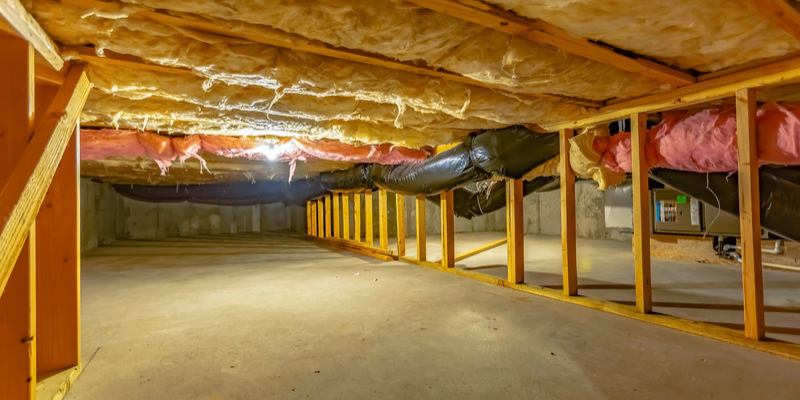
Pull the hatch on a crawl space in Berks County in early April, and you’ll often find an inch of standing water sitting on bare dirt. It freezes, thaws, and comes back. Clay soil across much of Pennsylvania holds runoff tight against old foundations, and much of the state’s housing went up long before anybody thought to roll out a vapor barrier. If you want out of a house with water in the crawl space, you’ve got real options and real obligations. I’d rather you hear about both before you sign anything.
What Pennsylvania Law Requires When You Disclose Water in the Crawl Space

“I fixed it, so I don’t have to bring it up.” That belief has cost sellers far more than the original repair ever did. Pennsylvania’s Real Estate Seller Disclosure Law, codified at 68 Pa. C.S. §§ 7301 through 7315 requires a signed written statement covering material defects. You hand it to the buyer before the agreement of sale is signed. The form asks about past repairs and attempts to control water, so an old problem you patched still goes on it.
The statute does give you some breathing room. It doesn’t make you investigate or hire an engineer to go hunting for trouble. It does bar you from hiding a defect you know about. Sellers who mark “no” after filing a water damage claim two years earlier are the ones who end up explaining themselves to a lawyer.
I buy houses for a living, and I’m not an attorney, so treat this as general information. Have a Pennsylvania real estate attorney review your disclosure.
How Do Your Options Compare for Selling a Pennsylvania House with a Wet Crawl Space?
Fix the crawl space, list in April, and collect a strong offer. Most sellers walk in with that plan. Then the contractor estimates arrive. Full encapsulation can run several thousand dollars or more, and mold remediation beforehand adds to the bill.
Hold those costs up against what houses near you are actually selling for. Dropping fifteen thousand into a dirt crawl space on a modest older home doesn’t always come back to you at closing. A cash offer from a buyer who already priced in the water can land closer to the repaired-and-listed route than you’d expect. That’s especially true once you subtract commissions and carrying costs.
| Path | What it costs you | Timeline | Best fit |
| Fix it, then list. | Repairs, possible mold work, and commission | Repair time plus time on the market | A simple cause, plus the cash and calendar to fix it |
| List as-is. | A lower price and commission | Time on the market with a smaller buyer pool | A house that otherwise shows well |
| Take a cash offer | A price that reflects the water | A closing date you agree on, with no repairs | Chronic water, a tight timeline, or no budget for repairs |
Why Crawl Space Water Matters More Than Sellers Think It Does
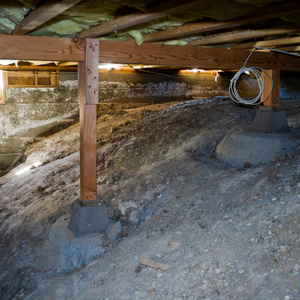
Water under the floor is never just water.
It rots joists and leaves cupped hardwood behind. Buyers notice the musty smell in the hallway before they ever find the hatch. Lenders care too. An appraiser who photographs standing water can make the loan subject to repairs, and conventional financing stalls right there while you scramble for a contractor.
Picture a Levittown owner whose crawl space has been quietly flooding for years, with a move date that leaves no room for contractors and a listing. A direct sale can close on her schedule and leave her equity intact. Bucks County sellers can also talk to cash home buyers in Doylestown. Owners around the region can start with Sell Your Home Fast in Philadelphia.
What Buyers Are Really Reacting To
A wet crawl space isn’t really about the puddle. Buyers are doing risk math in their heads. If the seller let this go, what else got ignored? The suspicion spreads to the roof, the electrical panel, and then the furnace. If the water has already damaged the structure, here’s how to sell a house with foundation issues in Pennsylvania.
In a neighborhood where houses move quickly, a wet crawl space pulls your property out of the fast lane. Retail buyers in a competitive market have choices, and they’ll often take the dry one down the street rather than negotiate.
When a Septic Problem Is the Real Source of the Water
Before you call a waterproofing company, go stand in your side yard after a heavy rain and look for soggy ground.
Plenty of rural Pennsylvania homes rely on on-lot septic systems. A failing absorption field can push saturated soil straight toward a crawl space foundation. A septic guide from the Pennsylvania Association of Conservation Districts, funded partly by DEP, lists wet spots over the absorption area, sewage odors, and slow drains as warning signs. That’s a different problem with a different fix. Encapsulating over that saturation won’t do anything. Your local sewage enforcement officer is the person to call. If you’d rather fix than sell, PENNVEST and the state housing finance agency offer low-interest loans to repair or replace a malfunctioning on-lot system on your primary home.
Where Water and Mold Show Up on the Seller Disclosure Form
The Pennsylvania form asks about water in more than one place. On the common Realtor version, expect questions about:
- Any water leakage, accumulation, or dampness you know of.
- Any repairs or attempts to control a water or dampness problem.
- Your sump pump, how many you have, whether it’s ever run, and whether it works.
The repairs question can be confusing. Say you ran a dehumidifier for six winters and regraded the flower beds. That’s two attempts at control, even though neither was a contractor job. On the sump pump questions, remember that a pump that never runs may just be a pump that failed. Answer plainly and in writing. Mold is addressed in the environmental section. A remediation certificate attached to your disclosure earns more trust with buyers than a vague “minor seepage” ever will.
Fixing It, Selling As-Is, or Taking a Cash Offer

Guess wrong here, and you spend eight weeks and ten thousand dollars, only to watch the inspection report find the same thing anyway.
Repair makes sense when the cause is simple, like a downspout dumping against the foundation or grading that slopes the wrong way. A cracked hose bib counts too. You can knock those out in a weekend and see the payoff fast. Chronic hydrostatic pressure in a 1920s stone foundation is a different problem. Sellers can chase that one through three contractors without ever getting a dry spring.
Selling as-is to a direct buyer trades top dollar for certainty, and you skip the repair escrow. Plenty of sellers think that’s a fair swap. Nura Home Buyers buys the water-damaged houses other buyers walk away from, and a free evaluation costs you an afternoon, not a commission.
So Which Path Fits Your Situation?
Ask yourself one question. Do you have the cash and the calendar to resolve the issue properly?
If you do, get three estimates, fix the actual cause, disclose the history anyway, and list the repairs. If you don’t, stop torturing the numbers. Our We Buy Houses Pennsylvania page explains how an as-is sale works across the state.
Think about a couple in Dormont who inherited a duplex and never wanted to be landlords. A tenant left the crawl space hatch open all winter, and now they just want it done. If that sounds familiar, we buy houses in Pittsburgh as-is, crawl space and all.
Frequently Asked Questions
Do I Have to Disclose Water Damage That I Already Fixed?
Yes. The Pennsylvania Seller’s Property Disclosure Statement asks about past repairs, not just current problems. A repaired leak with an invoice stapled to the disclosure is a non-event for most buyers. If their inspector finds that same leak before closing and you say nothing, you’re looking at a renegotiation and occasionally a lawsuit.
Will a Buyer’s Lender Reject a House with Water Damage?
Sometimes. An FHA appraiser who sees signs of excess moisture or smells mold can make the loan subject to an inspection or repairs. VA rules say ponding water or heavy moisture in a crawl space has to be corrected. Conventional lenders still lean on the appraiser’s judgment. Cash buyers bring no appraiser and no underwriter, which is why water-damaged houses so often sell for cash, even when the seller started out listing.
How Long Does Mold Remediation Take?
A small bathroom or closet job usually runs a day or two. A basement with ongoing moisture takes longer because the remediator has to stop the water first. That can mean exterior excavation and waiting for a dry stretch of weather. Bigger jobs often run a week or more, so get the clearance test in writing before you list.
Can I Sell a House with an Active Leak?
You can, but you can’t hide it. Price the property honestly, disclose the leak fully, and expect your buyer pool to narrow to investors and cash buyers who do their own repairs. That’s a legitimate path, not a failure.
If you’re staring at a damp crawl space and a disclosure form and aren’t sure which way to go, it costs nothing to see what the as-is number looks like. Reach out to Nura Home Buyers for a free, no-obligation evaluation of your property. You won’t need to clean up or call contractors first. You’ll get a straight answer to compare against the repair route, and you can decide from there.
Helpful Pennsylvania Blog Articles
- Can You Sell a House with a Lien in Pennsylvania?
- Can You Sell a House With Asbestos in Pennsylvania?
- How to Do Sale by Owner in Pennsylvania
- Selling a House with a Mortgage Work in Pennsylvania
- Can You Sell House with Tenants in Pennsylvania?
- Capital Gains Tax After Selling a Home in Pennsylvania
- How Long After an Appraisal Can You Close in Pennsylvania
- Selling a Home That Needs Repairs in Pennsylvania
- How to Do a Quit Claim Deed on a House in Pennsylvania
- How Much Does It Cost to Sell a House in Pennsylvania?
- Jointly Owned Property Be Sold by One Owner in Pennsylvania
- How To Sell a House With Foundation Issues in Pennsylvania
- Selling a House With Water in the Crawl Space in Pennsylvania