
A seller called me on a Tuesday afternoon, voice tight. Her mother had just moved into assisted living in Lancaster, Pennsylvania, and the family needed cash quickly. The house sat paid off and full of furniture. Decades of tools and holiday boxes filled the garage, and nobody had the heart to list it and walk away. So the family watched equity sit idle while care bills kept arriving. That call is how I learned how many homeowners are stuck with money they can’t touch without losing the roof over their heads.
Can You Sell Your House and Still Live in It?
Yes. More homeowners sell the home and go on living in it than you’d guess, and it isn’t a loophole or a trick. It’s a real estate structure with a real name, real contracts, and real protections for both sides.
The short version: you sell the property to a buyer, take the cash, then sign a lease that lets you stay on as a renter. The new owner becomes your landlord. Your daily life barely changes. Same yard to mow, same kitchen, same address on your driver’s license.
Realtor.com counted 1,140,035 active listings nationwide in August 2026, roughly 3.6% more than a year earlier, with homes sitting a median of 60 days on the market. Sellers have a little more room to be deliberate about how they exit. A sale-leaseback is exactly that kind of deliberate move.
Retirement cash flow gaps, medical bills, business capital, divorce, estate headaches, families trying to dodge a forced move. If staying put matters to you, real paths exist.
What Is the Sell-and-Stay Real Estate Strategy?

The typical home across the United States was worth $371,774 in July 2026, up about 1.1% from a year earlier, according to Zillow. Ten or fifteen years in one place turns that into a large pile of equity locked inside four walls. A sale-leaseback converts the equity to cash without triggering a move, so you keep living in the same house while the proceeds go to work.
You and a buyer agree on two numbers: a sale price and a lease term. That buyer might be an investor, a company, or a family member. Ownership transfers at closing, and the proceeds come to you. Your lease starts, and you pay monthly rent to the new owner. How long you stay, what rent you pay, who handles repairs: all of it is negotiable before you sign.
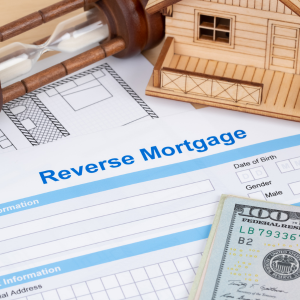
A sale-leaseback is not a reverse mortgage, and confusing the two costs sellers money. Reverse mortgages are loans against your equity, and they leave you as the owner while interest piles up on the balance. A sale-leaseback is an outright sale. No loan, no debt, no accruing interest. You get the full proceeds at closing and walk away with liquid cash instead of a growing debt tied to your home.
Nobody can name a fair sale price or a fair market rent without knowing your street. A call with a team like Nura Home Buyers gets you concrete numbers fast, with no pressure to commit.
What Are the Benefits of a Sale-leaseback for Homeowners?
Selling your home is supposed to solve a financial problem. Sometimes it creates a new one.
Listing with a real estate agent sounds like the obvious move, and for sellers who can wait, it usually is. Then come the closing timelines, the lender underwriting, the back-and-forth over repairs. Three or four months disappear. A sale-leaseback with a direct buyer cuts that to a few weeks.
The money side stacks up fast. You turn equity into cash without a HELOC or a second loan. No monthly debt payment. Nothing new landing on your credit report. No lender demanding repairs or an appraisal that lands low.
Taxes are the part sellers forget to ask about. Say the home has been your main residence for at least two of the five years before the sale. IRS rules then let you exclude up to $250,000 of gain, or $500,000 on a joint return. Renting the same home back afterward doesn’t undo that exclusion. Your CPA should confirm the details, though most long-term owners find the sale costs them far less at tax time than they braced for. We walk through the numbers in more detail in our guide to capital gains tax after selling a home in Pennsylvania.
Staying also wipes out moving costs, and people guess far too low on those. Packing, storage, a deposit on a new rental, utility transfers, the disruption to a kid’s school year or an elderly parent’s routine. Keeping the same address avoids every bit of it.
What Are the Drawbacks of the Sell-and-Stay Model?
You’re giving up ownership. That’s permanent the moment you close.
Obvious on paper, yet sellers often don’t feel the weight until month three of renting. Refinancing is off the table. So is passing the house to your kids. If the new owner sells to another investor later, your lease travels with the property, but your control doesn’t. A well-written lease protects you, which is why nobody should sign one without a real estate attorney reading it first.
Rent deserves an honest look. Market rent on your own home may run higher than you expect, especially if you’ve owned it mortgage-free for years. Sometimes the rent lands near or above what a mortgage payment would have been. Run the numbers first.
Insurance shifts too. You’ll move from an owner’s policy to a renter’s policy, which covers your belongings and not the building. The new owner insures the structure. Get both in place at closing so no gap opens up.
What Does a Sale-leaseback Look Like in Real Life?

Skeptics ask whether buyers really agree to this. They do, all the time. The right buyer sees an occupied property, a steady monthly payment, and none of the turnover costs that come with an empty unit. A tenant who knows where the furnace rattles and wants to stay is lower risk than a stranger. If you want to know who you’d be renting from, here’s more on the team behind Nura Home Buyers.
Everything is structured around a purchase agreement with a lease or lease option attached, and both documents close together. The buyer funds the sale, you sign the lease, and the keys stay in your hand. Rent usually lands at or near the market rate for your area. Lease terms run anywhere from six months to several years, so negotiate that timeline before you finalize anything.
One pattern shows up over and over. Sellers who get the lease term in writing before closing sleep better than the ones who settled for a handshake. Pin down the move-out date, the rent figure, the renewal options, and who fixes the water heater. Vague agreements create friction later.
Press for specifics on four points before you agree to any lease. The lease term itself, including whether you hold a renewal option and how much notice it takes. The rent, and whether it climbs on a set schedule or stay flat. Repairs, meaning who pays when the roof leaks, and who you call at 10 p.m. Then the security deposit, which a buyer will sometimes waive for a seller who already lives in the property. Every one of those terms is negotiable while the sale is still being structured, and almost none of them are negotiable once it closes.
Nura Home Buyers structures these agreements regularly and can walk you through the lease in plain language before you’re asked to sign.
Who Is the Sale-leaseback Strategy Best Suited For?
For years I assumed this was mainly for people in financial trouble. Wrong. Some of the steadiest, best-prepared sellers I’ve worked with chose it on purpose.
Retirees and near-retirees fit most naturally. When most of your net worth sits in one house and you’d rather hold liquid assets or income, a leaseback converts the equity without upending your routine. Plenty of older homeowners are house-rich and cash-poor at the same time.
Business owners who need operating capital without new debt are another group. A leaseback frees cash from a personal asset with no bank, no credit check, no lender.
Families carrying the cost of an aging mother’s care land here often. A sale-leaseback turns her home into money for assisted living or in-home help while she keeps the same rooms and the same street, which is what everyone wanted in the first place. The estate gets simpler later, because the sale has already happened and cash divides among heirs far more easily than a building does.
Divorcing homeowners use it to settle the property without either spouse being forced out that week. The common thread. Someone who needs cash or simplicity and values stability more than holding the title. Sellers around Lancaster County can see exactly how we buy houses in Lancaster, PA before they decide anything.
Can You Sell Your House to Your Children and Still Live There?
A couple in Erie, Pennsylvania came to me after one of their adult children floated the idea over dinner. Mom and Dad were in their mid-seventies and wanted to remain where they were. The child had the money and the interest. Everyone at the table liked it. Nobody had thought about taxes.
Selling to a child works, but the structure matters. A sale at full fair market value is cleanest. The child starts with a solid cost basis for future capital gains, and the IRS has no reason to call any part of it a gift. Sell below market value, and the gap becomes a gift in the eyes of the IRS. For 2026, the annual gift exclusion is $19,000 per recipient, and the lifetime exemption is $15 million per person. Anything above the annual amount goes on IRS Form 709, even when no tax is owed.
Families overlook one wrinkle. Selling at full value and then gifting cash toward the down payment can leave the child with a better long-term basis, which matters if they ever resell. Talk to a CPA before closing, not after. Anyone who would rather sell outright than keep it in the family can start with cash home buyers in Erie, PA. Our breakdown of selling your house below market value covers what the IRS looks at and why the gap gets treated as a gift.
Your Sell-and-Stay Options Side by Side
No single path fits every homeowner, and anyone who says otherwise is selling something.
A formal sale-leaseback with an investor or direct buyer is fastest if you want cash now and a guaranteed right to remain for a set period. The structure is well worn, and a serious buyer can put both numbers in front of you within a day. A sale to a child bends more easily on price and timeline, though it needs careful structuring to avoid IRS trouble or family friction. Listing on the open market with a short leaseback written into the purchase contract can work, but most financed buyers won’t agree to it. Cash buyers are more flexible, and they close faster. If speed is what you’re after, here’s how homeowners sell a house fast in Pennsylvania without listing it.
Reverse mortgages do something different. You keep ownership and tap some equity, yet interest builds on the balance, and the home eventually has to be sold to repay it. Worth knowing as a comparison, though it’s a loan rather than a sale.
A couple in Savannah, Georgia reached out after a long separation. Both names sat on the deed, one spouse’s woodworking equipment filled the garage, and neither of them wanted to haul it anywhere. A clean sale with a short leaseback gave the remaining spouse time to find a new place. Both agreed, that the sale moved without drama, and the paperwork stayed out of the divorce proceedings. Nura Home Buyers handled a similar arrangement recently, and a straightforward offer made it easier on everyone.
Frequently Asked Questions
What Is It Called When You Sell Your Home but Can Still Live in It?
This arrangement is called a sale-leaseback, or a sell-and-stay agreement. You transfer ownership of the property to a buyer at closing, then sign a lease right away that gives you the right to keep living in the home as a renter. The terms, including rent amount, lease length, and renewal options, all get negotiated as part of the same transaction.
How Long Can You Live in a House While Selling It?
That depends entirely on the lease terms you negotiate before closing. Some sellers arrange a six-month leaseback to give themselves time to find a new home. Others negotiate multi-year leases, especially retirees who want long-term stability without ownership. No universal cap exists; the right duration is whatever you and the buyer agree to in writing.
How Do You Sell Your House but Still Live in It?
Start by connecting with a direct buyer or investor who handles sale-leaseback transactions, since most traditional financed buyers won’t structure a sale this way. Agree on a sale price and rent amount, then have both the purchase contract and the lease drafted and reviewed by a real estate attorney before you sign anything. Closing usually happens faster than a normal sale, and your lease begins the day ownership transfers. We buy houses for cash in Philadelphia and across the state, so a sale-leaseback is a conversation we have often.
What Should You Not Do Before Selling Your House?
Avoid major repairs or renovations unless your buyer tells you plainly that the offer price will rise because of them. Most direct buyers price on current condition, and money spent on updates rarely comes back dollar-for-dollar. Don’t cancel your homeowners insurance before closing either; keep it active until the exact date ownership transfers, then switch to a renter’s policy. Signing any agreement, a lease included, without an attorney reading it first is the mistake that causes the most problems down the road.
If you’re weighing your options and want a straight conversation about what a sell-and-stay arrangement might look like for your home and your situation, we’re here. No obligation, no pressure. Just honest numbers and a clear explanation of what we can offer. Connect with our team whenever you’re ready.
Helpful Pennsylvania Blog Articles
- Can a Jointly Owned Property Be Sold by One Owner in Pennsylvania
- How To Sell a House With Foundation Issues in Pennsylvania
- Homeowners Insurance When Selling a House in Pennsylvania
- How to Sell a Fire-Damaged House in Pennsylvania
- Paperwork for selling a house by owner
- Can I Sell My House if Im Behind on Payments
- Selling Parents’ House After Death in Delaware
- Sell House With Water Damage in Delaware
- How To Sell a House With a Code Violation in Pennsylvania
- Who Pays Closing Costs When Selling a House in Pennsylvania
- How to Sell a House when Going Through a Divorce
- How Long does a Real Estate Contract Last in Pennsylvania
- Can I Sell my House and Still Live in it