

Most people in mortgage trouble spend weeks stuck, convinced they’ve already lost. They don’t call anyone, they don’t open the mail, and they watch the clock tick while their options quietly narrow. Paralysis costs more than the missed payments themselves. Being behind on your mortgage does not mean the house is already gone, and knowing what you can actually do right now changes everything about how this story ends.
Can You Sell Your House If You’re Behind on Mortgage Payments?
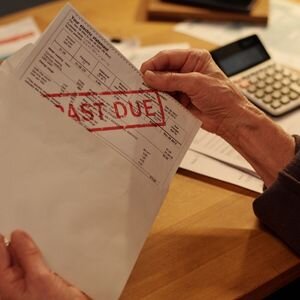
Skipping this question and jumping straight to “what should I do” is where most homeowners get burned. Not knowing whether a sale is even legal and viable in your specific situation, you can waste months chasing an option that won’t work for you while the clock runs down toward a foreclosure auction.
Yes, you can sell your home even if you’re behind on mortgage payments. The mortgage doesn’t disappear at the closing table; it’s paid off with the sale proceeds. Your lender has a lien on the property, which means any sale must satisfy that lien before you can walk away with a check. This is the mechanical reality of every real estate transaction involving an outstanding mortgage loan.
What changes when you’re behind is the urgency and the math. Arrears, the total of every missed payment plus any late fees, get added to your payoff balance. So the number you need to clear at closing is higher than your original loan balance (sometimes by several thousand dollars). A home value that covers that number puts you in solid shape. A failure to do so complicates the picture, but it’s still workable in most cases.
Foreclosure filings in the first quarter of 2026 rose 26% from a year earlier, according to a report from ATTOM. This is not a scary statistic; it’s context. Many homeowners are in exactly your position right now, and many of them are successfully selling before the bank gets involved. Those who act quickly have more options.
The Nguyen family called me last winter about a house in Scranton, Pennsylvania. Their father had passed, leaving a property packed with thirty years of belongings, a missed payment trail, and four siblings who needed a clean exit. On a Wednesday morning walkthrough, we found the garage alone was a full-day sorting job (three dumpsters, as it turned out). They were in pre-foreclosure and did not realize it. We got them closed before the foreclosure process moved to the next phase, and every sibling walked away with something instead of nothing.
Pre-foreclosure is the period between your first missed payment and the actual foreclosure sale. Selling during this window is both legal and common. Your mortgage lender generally cannot stop you from selling, though they’ll expect to be paid first. An experienced real estate agent who handles distressed properties, or a direct buyer like Nura Home Buyers, can help and often move faster than the foreclosure timeline, giving you the chance to settle the debt and protect whatever equity you have left (sometimes more than sellers expect).
Above Water vs. Underwater: What It Means for Your Sale Price and Options
Many sellers in this situation assume they have no equity because they’re behind, so they think a traditional sale is off the table. This assumption costs people real money.
Being “above water” simply means your home’s market value is higher than what you owe, including arrears, fees, and any closing costs yet to be paid. Being above water makes selling relatively straightforward. You list the property, a buyer makes an offer, and the payoff gets settled at closing from your proceeds. You might even walk away with cash in hand. Most homeowners who fell behind during a rough patch, a job loss, a medical bill, or a divorce still have equity because home values climbed so much over the last decade.
Being “underwater” or “upside down” means you owe more than the property is worth on the open market. This happens when someone bought at a peak, took out a home equity loan, or watched their neighborhood’s values drop. Underwater sellers can’t do a traditional sale that satisfies the lender, because no buyer is going to pay more than market value just to bail out a lender. A short sale becomes relevant here, which we’ll cover shortly.
Here’s an easy gut check: pull up Zillow or Realtor.com and look at what comparable homes in your neighborhood sold for in the last 90 days. Then call your servicer and ask for a payoff quote that includes all arrears. When the market value beats the payoff number by at least the cost of selling (typically somewhere between 6 and 10 percent of the sale price, most of that going to agent commissions and closing costs), you’re above water and have a clean path forward.
One common mistake is assuming their tax assessment reflects actual market value. It usually doesn’t. Assessed values lag real market conditions by one to two years in most counties, so don’t rely on that number when you’re making a decision this big.
The encouraging news is that a high percentage of distressed homeowners are actually above water right now, thanks to the equity built up since 2020. Don’t write off a traditional sale before you run the actual numbers, especially if you’re Selling Parents’ House After Death in Delaware, where inherited equity can provide additional options depending on the property’s value and your family’s circumstances.
How Being Behind on Payments Affects Your Home Sale Proceeds
Even if you’re above water, the arrears eat into your net.
Every month you’re behind adds to the payoff total your lender expects at closing. Missing four payments of $1,800 each means roughly $7,200 in principal and interest alone, before late fees, attorney fees, and any forced-placed insurance charges your servicer may have added. All of that gets tacked onto the standard mortgage payoff balance. That full amount reduces what you receive at closing.
That math is annoying but not fatal if you have decent equity. If medical bills can take your house, it’s important to understand whether an unpaid medical debt has actually become a lien against the property. Where it gets trickier is when sellers also carry a second lien, a home equity line of credit (HELOC), unpaid property taxes, or a judgment lien from an old debt. Every lien gets paid before you see a dollar. This is why a title search at the beginning of the process matters so much; surprises at the closing table can tank a sale after weeks of work.
Real estate agents aren’t always the first to flag the lien issue, especially if they’re focused on the listing side. One pattern I keep seeing is sellers accepting an offer without knowing about a mechanic’s lien or a judgment lien on the property. The sale fell apart 10 days before closing, and now the seller has lost 2 months, and the foreclosure clock has moved forward. A title company or a real estate attorney can run a preliminary title report early in the process for a small cost that’s absolutely worth it.
Closing costs on a standard sale run from 1 to 3 percent of the sale price on the seller’s side, excluding commissions. Taxes, title insurance, prorations, and any concessions you offer a buyer all reduce your proceeds. Factor those in before you decide whether selling makes financial sense.
Selling to a cash buyer, particularly a direct home buyer, cuts out several of those line items: no agent commission, no repairs, no staging. You give up some price to get speed and simplicity, and for someone racing a foreclosure deadline, that trade-off can be worth every dollar.
What Is a Short Sale and When Does It Make Sense?
A woman in Harrisburg, Pennsylvania, reached out two summers before I wrote this, three payments behind, and $40,000 upside down because she’d refinanced at the peak to pay off medical debt. She couldn’t list the house for what she owed, and a foreclosure auction would have wiped her credit for years.
Her situation was almost tailor-made for a short sale.
A short sale is when the lender agrees to accept less than the full payoff balance so the property can be sold. The homeowner negotiates with the servicer and documents the financial hardship, and the property goes on the market with a purchase price the lender has pre-approved or is willing to review. The sale proceeds go straight to the lender, leaving the seller untouched. Any remaining balance the lender doesn’t receive is called a deficiency.
Whether you owe that deficiency depends on your state’s real estate law, the type of loan you have, and what you negotiate in the short sale approval letter. Some lenders forgive it entirely, while others reserve the right to pursue a deficiency judgment against you in court to collect the difference. Be sure to get that language in writing before you sign anything. In California and several other states, anti-deficiency statutes offer sellers some protection. Still, the rules vary widely, so speaking with a real estate attorney before you proceed is genuinely worth the cost.
Lenders don’t have to agree to a short sale. Not all lenders will agree to a short sale, and homeowners usually have to be at least 90 days late before the lender even considers it. You’ll need to submit a hardship package: proof of income, bank statements, tax returns, and a written letter explaining why you can’t make the payments and why a short sale is preferable to foreclosure for everyone involved.
A short sale takes longer than a regular sale. The lender review process alone can add weeks or even months to the transaction. Being in pre-foreclosure with a ticking deadline means you need a buyer lined up fast and paperwork organized before you go to the lender. Working with a HUD-approved housing counselor during this process costs nothing and can help you build the hardship package (the documentation lenders actually read first) in a way that servicers respond to.
What Happens During the Foreclosure Process and How Long Does It Take?
Foreclosure doesn’t happen the morning after you miss a payment. Most lenders don’t even begin formal default proceedings until you’re at least 120 days behind, and in many states, the entire process takes well over a year from that point.
The average time to foreclose in Q3 2024 was 815 days, and that average increased by 6% compared to Q3 2023. That means from the moment a lender starts the process, the median homeowner has more than two years before a property actually changes hands at a foreclosure auction. That’s a meaningful window, and most sellers who lose their homes in foreclosure could have sold earlier if they’d known the clock wasn’t as tight as they feared (and two years is genuinely workable).
The process begins when the lender records a notice of default, which is a public court filing in judicial foreclosure states and a recorded trustee notice in non-judicial states. States like California use a non-judicial process, which is generally faster, but states like New York require court action, which extends the timeline.
Once the notice of default is recorded, the homeowner enters a reinstatement period, during which they can bring all arrears current and stop the foreclosure. After that window closes, the lender can schedule a foreclosure auction. At auction, buyers offer on the property, the winning bidder pays cash, and the former owner must vacate it. If no one offers enough, the property reverts to the lender as “REO” (real estate owned), and the lender later sells it.
Two things most articles gloss over: first, foreclosure is a matter of public record, so the filing shows up in court records, on data sites, and eventually in news feeds that aggregate property data. Anyone searching your address will see it. Second, even after a foreclosure sale, some states allow a redemption period during which the original owner can buy the property back by paying the full amount. The redemption window varies by state, and most homeowners don’t exercise it, but it’s an option worth knowing.
Selling before the foreclosure sale is always preferable to letting it go to foreclosure. You keep control, you protect your credit to the extent possible, and you avoid the public-record foreclosure stamp that follows you into future rental applications and mortgage inquiries.
Can You Sell a Home That Is Already in Foreclosure?
A homeowner in Erie, Pennsylvania, came to us last spring with a property already well into the foreclosure process, a scheduled auction date two months out, and a garage full of tools he still hadn’t sorted. He assumed the sale train had left the station.
It hadn’t.
Yes, you can sell a home that’s already in foreclosure, as long as the foreclosure sale hasn’t been completed. Right up until the gavel falls at the foreclosure auction, the property is still legally yours. You have the right to sell it, refinance it, or negotiate with the lender, unless a court in a judicial foreclosure state has issued a final order stripping that right. Even then, some states preserve a post-sale redemption window.
Two months is tight but workable if you move immediately, and your buyer can close fast. A traditional listing with an agent typically takes 30 to 60 days to find a buyer, then another 30 to 45 days to close a financed transaction. That’s a minimum of 60 to 105 days, which burns most of your cushion before a single document is signed.
Cash buyers and direct home buyers close much faster, often in two to three weeks. Many homeowners facing tight foreclosure timelines turn to cash home buyers in Butler to complete the sale before the auction date. That’s why homeowners deep in the foreclosure process often reach out to companies like Nura Home Buyers, which can make an offer quickly and close on a timeline that fits the deadline rather than the buyer’s mortgage approval schedule.
One more thing to watch: once the foreclosure sale is scheduled, the lender or their attorneys may continue adding fees to your payoff balance: legal fees, court costs, property inspection fees, and more. Get an updated payoff figure from the servicer right before you accept any offer so your net proceeds estimate stays accurate.
Credit Score Impact: Short Sale Vs. Foreclosure

Sit down at a kitchen table with someone who’s about to let their house go to foreclosure because they think a short sale will hurt their credit just as much, and you realize how much misleading information is floating around out there.
The situation is more nuanced. A short sale lowers a credit score by roughly 50 to 150 points, and a foreclosure causes a drop in the range of 85 to 160 points. On paper, those ranges overlap, which is where the “they’re the same” myth comes from. But the lived experience is unique.
Foreclosure begins after you’ve missed three or more mortgage payments and often concludes only after several additional delinquencies, each of which damages credit scores before the foreclosure itself even appears on your report. By the time the foreclosure is finalized, you’ve stacked multiple 30-day lates, 60-day lates, and 90-day lates on top of the foreclosure itself. A short sale limits how many of those stacked hits appear if you can conduct it without missing payments or with fewer delinquencies.
In many cases, after a short sale, you’ll be able to obtain a mortgage for a new home in as little as 2 years, compared to 5 to 7 years after a foreclosure. That difference is enormous if you want to own property again someday. The waiting period for a conventional mortgage after foreclosure can stretch to seven years.
A mortgage foreclosure stays on your credit report as a public record for seven years, which can make it significantly harder to buy a home or access credit in the future. A short sale carries a similar seven-year window on your report, but the effect on your score tends to soften more quickly.
How to Sell Your House Fast When You’re Behind on Payments
Sellers behind on payments expect a traditional listing to work out just fine; they figure they’ll call a Realtor®, get the house on MLS, and close before the next missed payment matters. Then the first buyer requests repairs, the appraisal comes in low, the loan falls through at week six, and suddenly two more payments are due, and the foreclosure clock is three months closer (that week-six collapse is brutal to watch).
Listing on the open market works best when you have time, equity, and a property in good shape. When you’re racing a foreclosure deadline, the pieces that slow down a conventional sale become risks you may not be able to absorb.
You gain speed by eliminating steps from the process. Cash buyers don’t need a mortgage, so there’s no lender appraisal, no underwriting delay, and no financing contingency that can blow up the sale. If you’re trying to sell your house fast for cash in Pennsylvania, working with a local direct buyer can help you avoid financing delays and stay ahead of foreclosure deadlines. With a cash buyer involved, properties can close in as little as two to three weeks.
You worry less about the condition when you sell to a direct buyer. Listing on the MLS with deferred maintenance invites low offers, inspection repair requests, and buyers who use every flaw as a negotiation chip. Cash buyers like Nura Home Buyers buy properties as-is, which removes the pre-listing repair math from the equation entirely.
Do you have more equity than you think? Calculate your equity before assuming you can’t afford to sell. Even if you’ve missed six months of payments, the accumulated equity from years of appreciation and principal paydown might still leave you with proceeds after the payoff and costs. I’ve seen sellers turn down cash offers for houses they assumed were worthless, then watch those houses go to the bank for far less at auction. Pride and bad math are an expensive combination.
Pricing matters even in an as-is, fast-close scenario. A cash offer that seems low typically reflects the buyer’s repair costs, holding costs, and resale risk, not an attempt to take advantage. Understanding what a realistic market value minus those costs looks like helps you evaluate offers honestly.
Questions to Ask a Real Estate Agent or HUD Counselor Before You Decide

Most real estate agents are great at listing houses in normal market conditions. Distressed sales require a different skill set, and not every agent has it.
Before you sign a listing agreement or commit to any strategy, ask your agent directly how many short sales they’ve closed. Not how many they’ve worked on; how many they’ve actually completed. Short sale approval is a negotiation with a mortgage servicer, and agents without prior experience underestimate the documentation requirements and timeline pressures. A real estate agent who has never submitted a short-sale hardship package to a servicer is going to learn from your sale.
Before you decide anything, ask a HUD counselor to pull your servicer’s complete loss mitigation menu. Servicers sometimes have internal programs that aren’t advertised publicly, and a HUD counselor knows which questions to ask. You want to know every option available before you close a door.
Ask your agent or attorney about deficiency judgments in your state. In some states, selling via short sale doesn’t automatically protect you from the lender pursuing the remaining balance in court, leaving you able to close the sale and still owe money. You want that question answered before you accept a short sale offer, not after.
Ask what happens to any junior liens. If you have a second mortgage, a HELOC, or a judgment lien, those lienholders must agree to release their claims for the sale to close. Junior lienholders may negotiate a reduced payoff rather than get nothing in a foreclosure, but they don’t have to. Make sure your agent or attorney has a plan for every lien on the title.
Ask the buyer (or their representative) for proof of funds before you accept any offer in a fast-close scenario. Cash buyers who can’t actually close on the timeline promised are a real problem, especially when a foreclosure date is approaching. Verification protects you. If you’re considering a sale to a direct buyer, Nura Home Buyers can provide you with a straightforward offer and a clear timeline, so you know exactly what you’re working with before you make any decisions.
Working with legal counsel, particularly a real estate attorney familiar with your state’s foreclosure laws, is worth the fee when any of these moving parts are in play. Real estate law varies enough by state that what’s standard in Texas may work completely differently in Florida or Ohio.
Frequently Asked Questions
How Many Months Can You Be Behind on Your House Payment Before Foreclosure Starts?
Most mortgage servicers begin the formal foreclosure process after you’ve missed four or more consecutive payments, which is roughly 120 days of delinquency. That said, servicers are required under federal rules to reach out and attempt contact well before that point. Missing one or two payments won’t trigger a foreclosure filing, but it will trigger credit reporting and collection activity. The sooner you contact your servicer, the more options you have.
Can I Sell My Home If I Am Behind on Payments?
Yes, you can sell your home even if you’re behind on payments, as long as the foreclosure sale hasn’t been completed. Your mortgage gets paid off from the sale proceeds at closing, including any arrears and fees. If your home’s value exceeds what you owe, you’ll have equity left over. If you owe more than the home is worth, a short sale with lender approval is an option worth exploring.
How Do You Clear Mortgage Arrears?
You have several paths. You can pay the arrears in full to reinstate the loan, which is straightforward if you have access to funds from a family loan or savings. A loan modification rolls the arrears into a restructured loan balance so you don’t have to pay them back as a lump sum. A forbearance agreement followed by a repayment plan spreads the catch-up payments over time. Selling the property also clears arrears, since the full payoff balance, including missed payments, is settled at closing.
What Happens If You Sell Your House but Still Owe on the Mortgage?
When your home sells, the proceeds go first to pay off every lien on the property, starting with your primary mortgage. The closing agent calculates the exact payoff amount, which includes your remaining loan balance plus any arrears, fees, and accrued interest. If the proceeds cover everything, you receive whatever is left over. If the proceeds fall short of the payoff, you’ll either need to bring cash to closing to make the difference or negotiate a short sale with your lender in advance so they agree to accept less than the full amount owed.
You’ve made it through a lot of information, and if you’re still reading, you’re clearly taking this seriously. That counts for something. If you want to talk through your specific situation, whether that’s figuring out how much equity you have, understanding where you stand in the foreclosure timeline, or getting a no-obligation offer on your property, contact us. No pressure, no obligation. Just a real conversation with the Nura Home Buyers team, who’ve been through these situations hundreds of times and genuinely want to help you get to the other side of the process.
Helpful Pennsylvania Blog Articles
- Can a Jointly Owned Property Be Sold by One Owner in Pennsylvania
- How To Sell a House With Foundation Issues in Pennsylvania
- Homeowners Insurance When Selling a House in Pennsylvania
- How to Sell a Fire-Damaged House in Pennsylvania
- Paperwork for selling a house by owner
- Can I Sell My House if Im Behind on Payments
- Selling Parents’ House After Death in Delaware
- Sell House With Water Damage in Delaware
- How To Sell a House With a Code Violation in Pennsylvania
- Who Pays Closing Costs When Selling a House in Pennsylvania
- How to Sell a House when Going Through a Divorce
- How Long does a Real Estate Contract Last in Pennsylvania
- Can I Sell my House and Still Live in it