Selling a fire-damaged house in Pennsylvania calls for strategic planning and good decision-making. Whether you’re a homeowner recovering from a fire or an investor looking for distressed properties, this is a process you need to know about. The damage assessment and the legal and financial factors are necessary for meeting the market requirements and obtaining a good price. Packed with practical advice and expert tips, this manual will help you sell a fire-damaged Pennsylvania house with confidence.
Key Highlights
- Knowing the causes of fire damage can help Pennsylvania homeowners and buyers avoid it.
- Fire damage to property in Pennsylvania diminishes property value, impacting marketability and buyer perception.
- Pre-fire estimates can be used to estimate damage for insurance and decision-making.
- Pennsylvania law requires sellers to disclose fire damage, which prevents lawsuits and keeps the sale transparent.
- A fast sale can prevent deterioration, provide financial relief, and attract Pennsylvania investors.
Understanding Fire Damage in Pennsylvania Homes
Fires can cause significant damage to Pennsylvania homes, affecting their structure and value. Homeowners and potential buyers should know what causes and immediate effects. This detailed guide explores fire damage causes and its impact on property value. Fire-damaged property owners benefit by understanding how and why fires occur and their costly effects. This information is important for a homeowner when making decisions about damaged homes or market opportunities.
Common Causes of Fire Damage
Fires are common in Pennsylvania, and there are many reasons why they can destroy a house. Understanding these causes is one thing, preventing them is another. Fire damage occurs from these common hazards. The main causes are old wiring and overloaded circuits. Older electrical systems in Pennsylvania homes are more likely to catch fire and cause property damage from a spark. Cooking accidents are also important, in addition to electrical failures. A small kitchen mistake can lead to a fire that costs homeowners money and lowers property value.
Heating equipment failures also cause home fires. A malfunctioning furnace or space heater can spark a fire in Pennsylvania’s brutal winter. Regular maintenance and safety checks are required to prevent fire damage. Fires can also be caused by unattended candles or fireplaces, resulting in immediate property damage and expensive repairs.
Then environmental issues. Lightning can start fires in rural areas without emergency services. Wildfires caused by climate change are a newer, less common threat to homes across the state. Knowing the many causes of fire damage helps us protect our properties. We also come to understand the unpredictable nature of such disasters and the need to be prepared.
| Cause of Fire Damage | Immediate Impact on Property Value | Preventive Measures |
| Electrical Malfunctions | Significant Reduction | Regular Inspection and Maintenance |
| Cooking Accidents | Moderate Reduction | Smoke Alarms and Fire Extinguishers |
| Heating Equipment | Major Reduction | Annual Equipment Servicing |
| Arson | Severe Reduction | Security Cameras and Vigilant Monitoring |
| Candles and Smoking | Minor to Moderate Reduction | Adequate Fire Safety Protocols |
This table highlights the interplay between common fire damage causes and their implications on property value, emphasizing the importance of prevention and strategic management.
The Immediate Impact on Property Value
The moment a house burns down, its market value plummets. But the smoke-stained interiors and blackened walls are a tough sell to buyers. A fire-damaged house can have structural damage, which will increase the anxiety of buyers and will emphasize why it is important for sellers to understand the market dynamics of fire-damaged property.
Repair collateral costs weigh down property values, which homeowners compare to renovation or sale as-is. Data shows that in the Pennsylvania market, properties that have fire damage sit on the market longer and often require price cuts to attract buyers. Appraisals also lose their charm. Fire-damaged homes are often undervalued by lenders, making it tough to get financing and discouraging buyers who rely on loan approvals.
It’s not only the physical damage but also the mental damage to potential buyers. Homes damaged by fire, no matter how extensive the repairs, tend to breed caution and skepticism about the stability of the investment. Through strategic marketing and full disclosure of fire damage, repairs, and improvements, a seller can minimize the loss of value on the property. Highlighting property and location benefits also helps to counter perceptions of damage.
Evaluating the Extent of Damage
Learn the signs of fire damage to your Pennsylvania home and the visible and hidden effects. This involves evaluating the structural fire damage, as well as any underlying problems that could impact the condition of the property. Knowing these factors will help you make an informed decision whether to repair or sell the house. Pre-fire assessments and damage assessments can help homeowners make decisions and save time and money. This all-inclusive approach helps in dealing with fire-damaged properties.
Utilizing Pre-Fire Estimates for Assessment
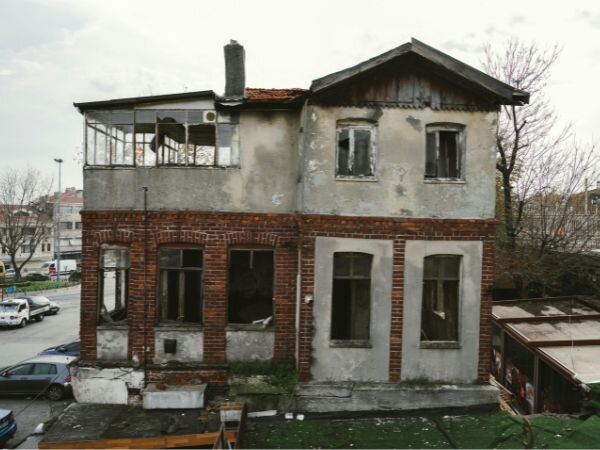
Estimating a house before a fire can help in evaluating the damage to the house from the fire. Such estimates can also help homeowners compare their damaged home to its condition before the fire. This method works well for finding holes in fire damage. The before-and-after comparison of the fire condition is helpful to identify problem areas, prioritize repairs, and evaluate property value. This allows you to make more accurate damage assessments, which are critical in setting realistic restoration expectations and making informed decisions about selling or repairing.
When a home is lost in a devastating fire, the value of the home prior to the fire includes its features, structural assessments, and any inherent values that make it more valuable. Pre-fire estimates can estimate the loss of property value after a fire for insurance claims and buyer negotiations. They also demonstrate the degree of damage to essential parts such as wiring, foundation, and roof, aiding the decision of repair options.
Pre-fire estimates can speed up insurance processing. Insurance companies want full proof of loss, including pre-fire estimates. Such records help the homeowner discuss the issue and improve the insurance claim. This documentation speeds up claim approvals so you can get the money you need to rebuild or clean up fire damage faster. A comprehensive assessment also helps homeowners plan for out-of-pocket repair costs that may not be covered by their insurance.
Use estimates to assess the damage and plan strategically before a fire. Buyers will be more willing to consider damaged properties if upfront, transparent, and complete assessments are provided. Sellers can clearly describe fire damage, which communicates repairs and increases the reliability of the transaction.
When to Consider Repairs
For homeowners in Pennsylvania, the timing of repairs to fire-damaged homes can impact their marketability and selling price. Key factors are the total fire damage, the repair expense relative to the value of the property after repairs, and the real estate market. A full analysis of these factors will determine if repairs make economic sense, or if it is better to list the home as is.
Homeowners will need to assess structural damage. The foundation, load-bearing walls, or roofing may have been damaged by the fire and will require extensive repairs to make the property marketable. The stigma of fire-damaged property can lower a home’s value even after extensive repairs. It is important to know the extent of repairs before making financial decisions.
Deciding to repair a fire-damaged property could mean costs increase over time. If not taken care of quickly, the house could become run-down and require more expensive repairs. The sooner you act, the sooner you can stop property values from falling and take advantage of any bounce back. You can also speak to local contractors and get estimates on what things will cost to fix, which will help you understand the budget of the project. To measure the economic benefit of repairs, assess the market value of the property after repairs, and consider the seller’s financial objectives.
Repairs are also based on the market conditions in Pennsylvania. In a seller’s market with more demand than supply, you might find that fixing up a home pays for itself. If it’s a buyer’s market with lots of choices, big repair investments may not be worth it. Repairs should be in line with market trends to maximize property value.
The decision of when to repair depends on the condition of the damaged home, the cost, and the real estate market. No two fire-damaged properties are alike, and each one has its own unique set of challenges and opportunities, requiring a comprehensive, educated approach. This overall perspective helps homeowners in their financial and personal decisions.
Selling a Damaged House in Pennsylvania: Initial Steps
There are a few things to do first to ensure your success when selling a fire-damaged home in Pennsylvania. Find out what’s in it for you to sell your property quickly, and the legalities. These steps not only prevent future problems but also increase the value of a fire-damaged home. This allows sellers to plan and act strategically, making the best of a difficult real estate market, and making the move easier for all involved.
The Benefits of Selling a Fire-Damaged House Quickly
The fire-damaged property and the real estate market in Pennsylvania have many advantages in terms of selling a fire-damaged house. One of the best advantages of a quick sale is that it removes the concern of a home that is impaired by environmental or structural issues degrading in value over time. Homes that have been damaged by fire will deteriorate over time, so consider fast-selling methods to avoid increasing repair costs from neglect or exposure to the elements. Quickly selling these homes could help homeowners pay off mortgages and liens faster. Many homeowners choose to skip expensive repairs altogether by selling directly to a cash home buyer like Nura Home Buyers, who may purchase the property in its current condition.
The speedy sale also capitalizes on the current real estate market, with buyers looking for distressed properties at bargain prices. Real estate investors are more likely to buy homes in need of work because they can make back their investment, which makes them attractive to sellers who want to get rid of their property quickly. This strategy could work well in a competitive Pennsylvania market with strong demand for real estate investments. Sellers can tap buyers looking for long-term gains to take advantage of market conditions.
Buying a fire-damaged home makes the legal and logistical process easier. Fixed costs like insurance, property taxes, and utilities can be a big drain. The faster the sale, the less costs and financial pressure, the sooner. Fast sales help owners, particularly those displaced by unlivable conditions, move on and realize personal and financial objectives. Sellers can get a quick resolution and move on to new opportunities with an unimpaired asset.
Finally, a quick sale can help homeowners move on from a damaged property due to personal circumstances. Living in a fire-damaged house can be a drain on your emotions. For homeowners, the selling process is an emotional and psychological release. It inspires a new beginning. Selling fast can give you peace of mind and convenience, turning a difficult sale into an asset for Pennsylvania real estate.
Legal Considerations for Selling a Fire-Damaged Home
Full disclosure of property condition is paramount. Pennsylvania law requires sellers to be truthful about fire damage when disclosing real estate. If a fire defect is not disclosed, buyers can sue for misrepresentation. Strong legal defense begins with a solid damage assessment and transparency.
A real estate lawyer can also make selling easier and more legitimate. Lawyers can help you understand the contract and make sure all paperwork adheres to state laws for selling fire-damaged homes. They help you understand contract language, closing statements, and odd property conditions. If buyers disagree with transaction terms or claim things that were not disclosed about the fire-damaged home, professional support can be helpful.
Insurance settlements are legally significant as well. And homeowners should also settle fire damage claims with their insurers before a sale. This means repairs can be paid for, and legal issues that might affect the sale are sorted out. Insurance outcome impacts asking prices and negotiations. Proceeds directly impact the owner’s bottom line. If you do not handle your claim properly, you may incur legal issues due to unresolved financial issues with the insurance company.
Environmental regulations are also important, particularly those related to asbestos and firefighting chemicals. It complies with local and state environmental laws, so no legal issues arise post-sale. The property will need to be tested for environmental hazards and cleaned up to Pennsylvania standards to avoid future legal complications.
Finally, sellers should tell buyers about any repairs and restorations done post-fire. It also highlights items that are repaired or working. Information for buyers to decide. Full disclosure from authorized work and documentation supports legal requirements to sell transparently and ethically. Sellers are playing by the rules, and they are creating the confidence and dependability that is necessary to sell their damaged home.
Marketing and Selling a Fire-Damaged Home
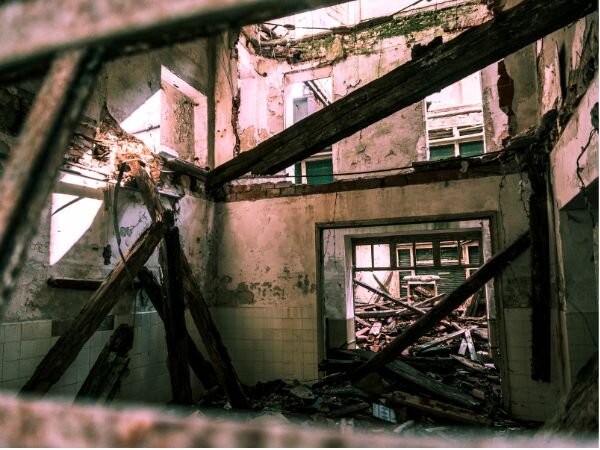
Selling a house in Pennsylvania that has fire damage is difficult. Buyers need MLS and other marketing tools. Disclosures, key platforms, and presenting damaged properties in the best light can also help to boost sales. Selling a fire-damaged house successfully, especially as-is, can help you achieve better terms and sell faster. Here we will talk about selling your house as-is and using MLS and other avenues for maximum exposure.
Strategies to Sell Your House As-Is
If the owners don’t want to do major repairs, selling a fire-damaged house as-is can make a lot of sense. Start by disclosing the fire and smoke damage to buyers, then market the condition of the house alongside the benefits of an as-is sale. Transparency breeds trust and realistic expectations. Savvy investors and cash buyers appreciate transparency because they can see as-is opportunities as a profitable investment.
Look at the architectural features of the house that was burned. You could designate fire-free zones for potential buyers. Undamaged features on display help buyers see the potential of a property and imagine renovations or re-use. Good neighborhood infrastructure, proximity to amenities, and low property taxes can lessen visible damage.
A cash offer discount can be attractive to buyers at times. Cash sales are attractive to investors because they close faster and have fewer contingencies. This appeals to investors who want to buy fire-damaged properties, renovate them, and sell them or rent them out for a profit. Cash offers sell on the speed of transaction. House buyers are looking for quick and easy buys.
Partner with local fire restoration contractors to increase your home’s value to buyers who want to purchase it as-is. These partnerships offer buyers pre-negotiated repair estimates to help ease cost concerns. Informed solutions help buyers to assess ROI more reliably and make the offer more attractive. Check out superficial damage clean-up services from pros. A cleaner overall impression on open house days can work wonders. These are the steps to get the right buyers to take advantage of your sweetened as-is offer and end your fire-damaged home venture quickly.
Using MLS and Other Platforms for Exposure
MLS marketing assists fire-damaged houses. Listing your property on MLS will expose you to more buyers, investors, and property professionals looking for opportunities. And it’s a broad platform that lets fire-damaged properties shine in a competitive Pennsylvania market, because it covers the full range of possible interest.
MLS allows you to describe the property in detail, including fire damage, recent appraisals, structural conditions, and repair estimates. Serious buyers appreciate honesty about the condition of the home, and full disclosure in detailed MLS listings saves time on unlikely prospects. Accurate MLS representations help buyers know what to expect, show sellers are transparent, and establish realistic expectations.
In addition to MLS, property can also be promoted through real estate websites and social media. Instagram and Facebook, visual social media platforms, provide creative marketing. Photos before and after restoration or virtual tours, show buyers the potential for design of the property. This interaction engages buyers with renovation in mind.
Customized online ads can advertise “cash offer only” and as-is sales. For digital campaigns, highlight the attractiveness of purchasing damaged properties due to lower prices or tax incentives. Targeted advertising campaigns can be used to reach niche buyers such as real estate investors or fixer-upper enthusiasts who will appreciate a fire-damaged sale.
A fire-damaged house will have a strong, broad marketing plan with exposure through MLS and other venues. An experienced team of digital marketers can help you improve your technique, listing appeal, reach, and buyer engagement. Homeowners in Pennsylvania can sell fire-damaged homes more quickly and for more money by using the right approach and these platforms strategically.
Exploring Options Beyond Immediate Selling
A fire-damaged house in Pennsylvania has to be more than just sold. Depending on their situation, many options may benefit homeowners. The market, finances, and personal readiness will determine whether the property is kept or sold. You also may want to get legal and real estate advice from attorneys or other professionals. With this knowledge, homeowners can make decisions that fit their long-term goals and budget.
When to Hold and When to Sell a Fire-Damaged House
When you’re considering whether to keep or sell a fire-damaged house, it’s important to know the real estate market and your own finances. It’s a question of whether property values go up, whether they’re worth the costs of maintaining a damaged home, property taxes, insurance, mortgage payments, etc. In many cases, it is best to keep the property, especially if the market trends show a price increase or an economic upswing that may bring good opportunities. However, when the market does not rebound, holding on to a fire-damaged, poorly maintained home can erode equity as the home deteriorates from wear and exposure to the environment, and may even depreciate further.
Selling your fire-damaged house quickly can save you money and maintenance costs. If you have too many mortgages, liens, or property carry costs, a fast sale may be the best bet. This technique works very well when cash buyers are interested in rehabbing or flipping properties, and a for-sale-as-is offer is presented. Cash buyers who can close quickly and bring liquidity to homeowners are often preferred by them.
These decisions require a full picture of the individual and external market factors. Market research, property valuation, and understanding the paperwork for selling a house by owner can help solve problems and avoid financial shocks. Local real estate investors and neighborhood dynamics can help determine the hold or sell timing. Aligning your readiness to the market’s readiness ensures your decisions are in line with your long-term financial objectives, giving you a balanced, informed path forward.
Evaluating the Need for Professional Guidance

Fire damage decisions in Pennsylvania go better with professional advice. For example, a real estate attorney needs to know disclosure rules for the purchase or sale of a damaged property. This also helps to avoid buyer disputes regarding undisclosed fire damage, ensuring a transparent and ethical sale. Industry consultants can also advise on alternatives to selling that are relevant to the market and financially relevant.
Insurance experts can help you maximize fire damage claims and expedite the claims process to receive funds for immediate needs or repairs. They can explain insurance policy terms that could affect property sale negotiations or offer strategic advice on how to prevent more damage. A general contractor’s rehab experience will help you estimate repair work, which is important in deciding whether to refurbish and hold or sell your Philadelphia house as-is.
Market analysts can help homeowners determine if they should sell now or wait for a better time. Expert help in understanding market dynamics helps us develop better strategies and reduces the risk of speculative decision-making. Financial advisors can help you understand the financial implications of keeping or selling, including mortgages, debt, and equities. They analyze for long-term financial health and sustainable decisions.
Work with the pros and use their expertise to make smart decisions on fire-damaged homes. This guidance gives you confidence, reduces stress from complex legal, emotional, and fiscal issues, and maximizes results through realistic scenarios. Professional help can provide homeowners with a strategy to manage their fire-damaged properties in a way that is compatible with their financial and personal goals. If you’re looking to avoid repairs, lengthy negotiations, and financing delays, a cash home buyer may provide one of the quickest ways to sell a fire-damaged home. Contact Nura Home Buyers today!
We work with sellers across the state, including homeowners who need cash home buyers in Allentown and anyone trying to sell a house fast in Harrisburg.
Frequently Asked Questions
What are the main causes of fire damage in Pennsylvania homes?
Common causes in Pennsylvania include old wiring, overloaded circuits, cooking, heating equipment failures, and unattended open flames. There are also environmental issues, such as lightning strikes and increased wildfire risk.
How does fire damage affect a property’s value in Pennsylvania?
Fire damage can decrease the value of a property and make homes more difficult to sell. Visible damage can scare off buyers, and lenders may place an appraisal on homes below market value, making financing difficult and often resulting in price cuts.
Why is legal disclosure important when selling a fire-damaged house?
Legal disclosure prevents litigation and ensures transparency in the transaction. Pennsylvania law requires sellers to disclose the extent of fire damage to ensure transparency and honesty in the sales process.
What are the benefits of selling a fire-damaged house quickly?
Selling quickly can stop further deterioration and rising repair costs, provide financial relief, and attract investors looking for discounted properties. It also saves the homeowners of long term financial and emotional agony.
How can pre-fire estimates assist in selling a fire-damaged property?
Pre-fire estimates can serve as a baseline for damage estimates and help with insurance claims and repair decisions. They help set realistic restoration goals and tell potential buyers what needs to be repaired.
Helpful Pennsylvania Blog Articles
- Can a Jointly Owned Property Be Sold by One Owner in Pennsylvania
- How To Sell a House With Foundation Issues in Pennsylvania
- Homeowners Insurance When Selling a House in Pennsylvania
- How to Sell a Fire-Damaged House in Pennsylvania
- Paperwork for selling a house by owner
- Can I Sell My House if Im Behind on Payments
- Selling Parents’ House After Death in Delaware
- Sell House With Water Damage in Delaware
- How To Sell a House With a Code Violation in Pennsylvania
- Who Pays Closing Costs When Selling a House in Pennsylvania
- How to Sell a House when Going Through a Divorce
- How Long does a Real Estate Contract Last in Pennsylvania
- Can I Sell my House and Still Live in it